Complete Guide to Visiting Hanoi (2026)
The ultimate 2026 cornerstone guide to Hanoi — how many days, top sights, neighbourhoods, food, transport, itineraries, safety, budget and day trips from local experts.
By Dinh28 min readHanoi, Vietnam
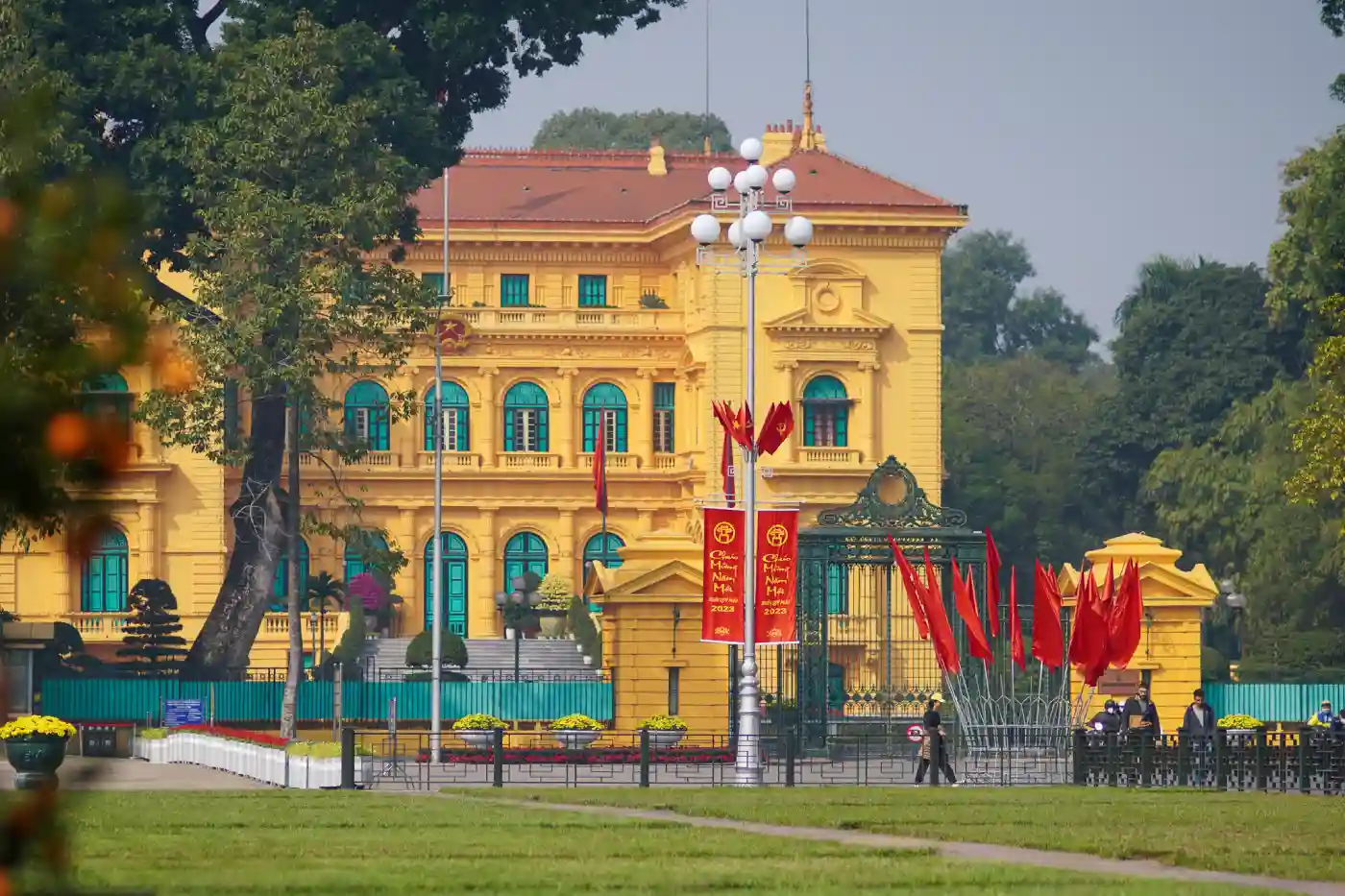
Introduction — how to visit Hanoi as a first-timer
Search intent here is broad: "How do I visit Hanoi?" You need one authoritative answer that connects days, districts, food, transport, safety and northern Vietnam context without sending you to twelve disconnected blog posts.
Dinh, our Hanoi trip-planning editor, structures guest itineraries the way walking guides actually move — lake first, Ba Dinh second, food third, province fourth. Operators see the same pattern: visitors who skip the capital rush through Ninh Binh without understanding what they are looking at; visitors who stay four central nights leave with a usable mental map.
How to use this guide:
- Read why visit and understanding the city for context
- Lock dates via best time to visit and base via where to stay
- Execute bookings with the planning checklist
- Walk the itineraries below; drill into linked district and food guides as needed
Planning tips before you land: Apply e-visa 2–3 weeks ahead peak season; pre-book airport transfer; save offline maps; photograph hotel address in Vietnamese; notify bank for ATM use; download Grab; read mausoleum dress rules once — pack one outfit that complies. Full sequenced checklist: planning your trip to Hanoi. Visa rules change by nationality — verify official immigration sources, not forum posts.
Why visit Hanoi
Hanoi is not a checklist city — it is a layered capital where a thousand years of Vietnamese history, French colonial boulevards, socialist-era institutions and a restless modern economy coexist on the same block. Walk from a Confucian university founded in 1070 to a neo-Gothic cathedral to a sidewalk pho stall in under an hour; each layer explains how Vietnam became what it is today.
First-time visitors come for the Old Quarter — narrow guild streets, tube-house architecture, street food at every hour. They stay for the rhythm: dawn tai-chi at Hoan Kiem Lake, mid-morning coffee on plastic stools, afternoon temple quiet in Ba Dinh, evening beer on Ta Hien. Hanoi rewards slow repetition more than frantic sightseeing.
Northern Vietnam trips usually start or end here. Hanoi is the hub for Ninh Binh, Ha Long Bay, Sapa and the Ha Giang loop — spending proper time in the capital first gives context for everything that follows.
Unlike Ho Chi Minh City, Hanoi keeps human scale in the centre — major districts sit within twenty minutes on foot if heat allows. Details appear at street speed: a 1920s balcony turned phone shop, a temple courtyard behind a laundry line, bánh cuốn from a cart unchanged for decades.
Hanoi is affordable by international standards — superb pho costs less than a coffee in many Western capitals; a guided half-day walk delivers more context per dollar than most museum tickets. Budget travellers and comfort seekers both find workable options in the same neighbourhoods.
Depth beyond this overview: history of Thang Long · French colonial heritage · planning checklist.
Who Hanoi suits: History readers, street-food travellers, photographers, slow walkers, northern Vietnam loop planners. Who may struggle: Mobility-limited without Grab budget (cobbles and stairs); heat-sensitive visitors in July–August without dawn scheduling; travellers expecting beach or theme-park pacing.
Hanoi vs Ho Chi Minh City (quick contrast): Hanoi — walkable historic core, cooler winters, government and imperial narrative, pho and bun cha capital. Ho Chi Minh City — wider sprawl, warmer year-round, faster business energy. Most two-week Vietnam trips include both; Hanoi belongs first if you head north to Sapa or Ha Long.
Understanding the city — geography, districts and rhythm
Hanoi spreads north from the Red River in roughly four visitor-facing zones:
1. Hoan Kiem historic core — Lake, Old Quarter (north-west), French Quarter (south-east). Day-one territory. Everything walkable if you stay central.
2. Ba Dinh imperial-west — Mausoleum, citadel, Temple of Literature, One Pillar Pagoda. Separate half-day — not a morning add-on to the Old Quarter.
3. West Lake (Tay Ho) — Residential north-west; pagodas, cafés, expat calm. Grab territory for first-timers unless staying there.
4. Outer districts — Train street corridors, craft-village gateways, airport direction north. Visit with purpose, not by accident.
Street naming logic: Hang (merchandise) and Ma streets in the Old Quarter once denoted guilds — Hang Bac (silver), Hang Gai (silk). Names still hint at specialisation even when shops changed.
Daily rhythm locals follow:
- 05:30–08:00 — Lake exercise, pho breakfast, market runs
- 10:00–14:00 — Heat peak in summer; temples and indoor sights
- 16:00–19:00 — Second wind; coffee, lake sunset
- After 20:00 — Street food and Ta Hien energy (weekends loudest)
Weekend pedestrian streets around Hoan Kiem (Friday evening through Sunday) transform traffic flow — lively but crowded. Weekdays suit Ba Dinh queues and market browsing.
Hoan Kiem Lake is the geographic and symbolic centre — the returned-sword legend explains turtle imagery at Ngoc Son and around the shore. The lake is not a single sight; it is the orientation point every guide uses: if you know where the lake is relative to your hotel, you can recover when alleys disorient you.
The French Quarter begins south and east of the water — Trang Tien, Ly Thai To, Hai Ba Trung. Colonial width contrasts with Old Quarter compression. Many first-timers never cross the south shore; that is half the city missed.
Ba Dinh sits west — wide avenues, government buildings, mausoleum queues. Psychologically it feels like a different capital: quieter, more formal, less street food at the door. Plan transport or a 25-minute walk knowing you will return to the Old Quarter for dinner.
Scale check: From Hoan Kiem to Ba Dinh mausoleum is roughly 2 km — walkable for fit travellers in cool months; Grab sensible in summer heat or after rain.
How many days to spend in Hanoi
| Duration | Realistic coverage |
|---|---|
| 1 day | Lake + Old Quarter + French Quarter — transit taste only |
| 2 days | Above + Ba Dinh OR West Lake — not both comfortably |
| 3 days | Historic core + Ba Dinh + food/puppets/West Lake half-day |
| 4 days | All above + day trip OR craft village OR recovery day |
| 5 days | Depth: neighbourhoods twice, museums, Ninh Binh, evening food tour repeat |
Most international visitors with 3–4 nights leave satisfied. Day one = orientation on foot; day two = Ba Dinh; day three = food or West Lake; day four = day trip comparison execution.
Do not count travel days as sightseeing days — jet-lagged arrival is lake loop + dinner, not mausoleum.
Weather overview — when to visit
Hanoi has northern Vietnam climate: hot humid summers, cool dry winters, spring and autumn shoulders. No perfect month — only trade-offs. See also our best time to visit Hanoi.
October–April: Best walking window; 18–28°C days; cool Dec–Feb evenings. See full month-by-month guide: best time to visit Hanoi.
May–September: Heat (32–38°C) and afternoon storms. Start outdoors at dawn; siesta midday; food tours after 17:00.
Tet (Lunar New Year): Closures, transport spikes, cultural spectacle — Tet in Hanoi guide.
Seasonal pacing summary:
- Autumn — Full-day walks, photography, day trips
- Summer — Dawn tours, pool hotels, evening food
- Winter — Layers, misty atmosphere, hot pho mornings
Neighborhood guide — where to base yourself
Your neighbourhood shapes every morning. Full comparison: where to stay in Hanoi.
| Area | Best for | Walk to lake | Notes |
|---|---|---|---|
| Old Quarter | First-timers, street food, budget | 5–15 min | Noisy on lower floors near Ta Hien |
| French Quarter | Couples, calmer central, luxury | 5–15 min | French Quarter guide |
| Lake frontage | Dawn walkers, photographers | 0–5 min | Verify map pin — not all "Old Quarter" labels |
| West Lake | 5+ nights, space, repeat visitors | Grab 15–25 min | West Lake guide |
| Ba Dinh | Mausoleum-focused, families | 25 min walk | Quiet evenings |
Booking tips: Confirm airport transfer; ask which Hang street; check lift access. Read planning checklist step four for hotel sequence.
Top attractions — grouped by district
Group by district and era, not a single ranked list. Each link goes deeper on tickets and dress codes.
Hoan Kiem and the historic core
- Hoan Kiem Lake — Free dawn loop; weekend pedestrian streets
- Ngoc Son Temple — Huc Bridge; 30–45 minutes
- Hanoi Old Quarter — Guild streets; half-day minimum
- Hanoi French Quarter — Opera House, cathedral, boulevards
- Hanoi Opera House — Colonial landmark
- Dong Xuan Market — Morning best
Ba Dinh — imperial and modern Vietnam
- Ho Chi Minh Mausoleum — Morning only; strict dress
- One Pillar Pagoda — Combine with mausoleum
- Thang Long Imperial Citadel — UNESCO; 90–120 min
- Temple of Literature — Confucian university
- Ba Dinh district day guide — Coordinated half-day route
West Lake and culture
- Tran Quoc Pagoda — Lakeside peninsula
- Water puppet theatre — Evening; book ahead peak season
- Long Bien Bridge — Sunset walks with care
- History of Thang Long — Read before walking
Shortlist without detail: things to see in Hanoi.
Timing priorities for first visit:
- Mausoleum: Tuesday/Thursday/Saturday/Sunday mornings only — arrive before 08:00 peak queue; dress code enforced strictly
- Ngoc Son: Opens ~08:00; weekday mornings quietest
- Citadel: 90–120 minutes; hot on open stone midday — morning or late afternoon
- Temple of Literature: Afternoon acceptable; school groups weekday mornings
- Water puppets: Evening shows; book 2–3 days ahead Oct–Nov
- Dong Xuan: Wholesale energy best 07:00–10:00
Food guide — what to eat and when
Hanoi's food identity is specific — dishes differ from Saigon or Hue versions. Eat where locals queue; morning for pho; midday for bun cha; coffee anytime.
| Dish | Hanoi note | Deep guide |
|---|---|---|
| Pho | Clear broth, minimal garnish | Hanoi pho guide |
| Bun cha | Grilled pork, herbs, dipping broth | Bun cha guide |
| Banh mi | Shorter crisp baguette | Banh mi guide |
| Egg coffee | Hanoi invention | Coffee culture |
| Bun thang | Delicate chicken soup | Street food culture |
| Cha ca | Table-fried turmeric fish | Street food culture |
Evening: Ta Hien beer street — people-watching, not fine dining.
First 48 hours: Book Hanoi Street Food Tour or read food tours guide — menu confidence early saves the whole trip.
Safety cue: Busy stalls, cooked to order, high turnover — see safety section below.
Meals by time of day (local rhythm):
- 06:00–09:00 — Pho, banh mi, xoi (sticky rice); Old Quarter lanes
- 11:00–14:00 — Bun cha, com binh dan (rice buffets), bun thang
- 15:00–17:00 — Egg coffee, che (sweet soup), nap window in summer
- 18:00–22:00 — Street grills, Ta Hien beer, cha ca restaurants (book ahead)
Dietary notes: Vegetarian options exist (tofu pho, buddhist restaurants near temples) but Hanoi is pork-forward — communicate clearly at stalls. Gluten-free travellers rely on pho (rice noodle) and rice plates; soy sauce appears widely.
Transportation — getting around and arriving
On foot
Historic core — lake, Old Quarter, French Quarter — is built for walking. Pavements uneven; motorbikes use sidewalk space. Crossing rule: steady pace, no stop mid-street — traffic flows around predictable pedestrians.
Grab and taxis
Grab — Reliable for Ba Dinh, West Lake, rain, airport. Pin corner locations in the Old Quarter. Taxis — Mai Linh, G7; meter or agree price. Full arrival options: airport to city centre.
Cyclo and motorbike touts
Negotiate before boarding. Novelty only — Grab covers most needs.
Train street
Active railway through residential lanes; rules change — Train Street guide. Do not enter restricted sections.
Organised transport
Ba Dinh ticket coordination, Ninh Binh and Ha Long logistics — city tours guide · private tours guide.
Walking tours — the best way to learn the city
Hanoi improves when someone explains why the lake has turtle towers and which Hang street sells what. Walking tours are not luxury — they are orientation. See also our Hanoi walking tours guide.
Day one or two: Heritage Old Quarter or City Highlights Walking Tour — lake, Old Quarter edge, French Quarter intro.
French colonial focus: French Quarter Walking Tour — best Oct–Apr mornings.
Budget option: Free Tour of Hanoi — tip-based; read free vs paid guide first.
Season adjustment: Summer tours start 07:00; winter adds layer advice. Full operator perspective: walking tours guide.
What a good day-one tour covers: Orientation to Hoan Kiem and the returned-sword story; crossing into guild streets with context; French Quarter boulevard intro; practical tips on Grab pins, scam avoidance and pho stall selection. What it does not replace: Ba Dinh (separate half-day), West Lake depth, or evening food confidence — those are days two and three.
Choosing your walk:
- Heritage Old Quarter — Best first morning; lake + lanes
- City Highlights — Slightly broader; good if French Quarter priority
- Old Quarter Walking Tour — Narrower lane focus; repeat visitors
- French Quarter Walking Tour — Colonial architecture emphasis; pair with opera exterior photos
Compare pricing models in free vs paid guide — free tours are tip-based, not zero cost.
Suggested itineraries — 1 to 5 days
1-day Hanoi (transit)
- 05:30–07:00 — Hoan Kiem loop at dawn
- 07:30–08:15 — Ngoc Son Temple
- 08:30–11:00 — Old Quarter + pho breakfast
- 11:30–14:00 — French Quarter (Opera → cathedral → south lake)
- 14:00–15:30 — Egg coffee + lunch
- Evening — Water puppets OR Ta Hien if energy remains
2-day Hanoi
Day 1 — Full historic core loop above.
Day 2 — choose one:
- Ba Dinh: Mausoleum (early) → One Pillar → Citadel → Temple of Literature
- West Lake: Tran Quoc → lakeside walk → Old Quarter evening
3-day Hanoi (recommended minimum)
| Day | Focus |
|---|---|
| 1 | Lake, Ngoc Son, Old Quarter, French Quarter + guided walk |
| 2 | Ba Dinh full half-day — district guide |
| 3 | Street food tour OR puppets OR West Lake |
4-day Hanoi
Add day 4:
- Morning — West Lake OR shopping streets
- Afternoon — Ninh Binh day tour OR Bat Trang village OR recovery repeat
5-day Hanoi (depth)
| Day | Focus |
|---|---|
| 1–3 | As 3-day plan |
| 4 | Day trip — day trips guide |
| 5 | Missed museum (Hoa Lo, National History) + favourite pho stall repeat + pack |
Editorial note: Day five is intentionally slow — Hanoi reveals itself on repetition, not checklist completion.
Sample hour-by-hour day 3 (food focus):
- 07:00 — Lake loop + pho at chosen stall
- 10:00 — Dong Xuan market edge or coffee at Giang lane
- 12:30 — Bun cha lunch sit-down
- 14:00 — Rest or Hoa Lo Museum (French Quarter)
- 18:00 — Street Food Tour or self-guided Ta Hien circuit
Sample day 4 Ninh Binh: 06:30 hotel pick-up → Hoa Lu → Tam Coc boat → Mua Cave viewpoint → return 18:30 — simple hotel-neighbourhood dinner; no 19:00 show booking same night.
Day trips from Hanoi — when to leave the capital
Schedule day trips after three capital days — not instead of Ba Dinh.
| Trip | Time | Best season | Guide |
|---|---|---|---|
| Ninh Binh | Full day | Oct–Apr best | Ninh Binh guide |
| Bat Trang / Duong Lam | Half day | Year-round | Day trips hub |
| Ha Long | Overnight preferred | Oct–Nov, Mar–May | Ha Long guide |
| Sapa | 2–3 nights | Sep–Nov | Sapa guide |
Full comparison and booking timeline: day trips from Hanoi guide.
Decision rule: If one-way drive exceeds three hours, it is not a relaxed day return — overnight or skip. Sapa and Ha Giang need multi-night plans, not Hanoi day extras.
From central hotel pick-up: Most tour vans assume Old Quarter or French Quarter — confirm if staying West Lake. Early Ninh Binh departures 06:30–07:30 — arrange hotel breakfast box or eat pho near pick-up point night before.
Recovery night: After Ninh Binh or Ha Long return, keep evening simple — pho near hotel, not ambitious 19:00 puppet show unless tour guarantees early return.
Budget planning — daily costs and savings
Hanoi suits backpacker to luxury in the same districts — neighbourhood choice matters more than city choice.
Daily budget ranges (per person, excluding hotel)
| Tier | Daily VND | What it covers |
|---|---|---|
| Budget | 400k–700k (~$16–28) | Street food, Grab short hops, free lake walks |
| Mid-range | 800k–1.5M (~$32–60) | Sit-down meals, one tour, puppets |
| Comfort | 1.5M–3M+ (~$60–120+) | Guided tours daily, taxis, nicer restaurants |
Hotel (nightly, room)
- Hostel dorm: USD 8–15
- Mid boutique Old Quarter: USD 40–80
- French Quarter four-star: USD 100–200+
Save without missing Hanoi
- Walk the lake and Old Quarter — free
- Free Tour of Hanoi + fair tip vs unguided wandering
- Summer hotel rates lower May–Aug
- Eat breakfast pho streetside — best value meal of the day
- One street food tour early — reduces bad random picks
Splurge where it counts
- Day-one guided walk
- Ninh Binh or Ha Long with reputable operator
- One opera or puppet ticket
- Airport hotel transfer on arrival night
Full booking sequence: planning checklist.
Sample mid-range daily spend (one person):
- Breakfast pho: 40k–60k VND
- Grab x2: 80k–120k VND
- Lunch sit-down: 100k–180k VND
- Temple/citadel tickets: 50k–120k VND
- Coffee x2: 50k–80k VND
- Dinner street food: 80k–150k VND
- Total: ~400k–700k VND before tours or hotel
Add 800k–1.2M VND for a quality half-day walking tour or street food tour per tour day.
Money, payments and connectivity
Currency: Vietnamese dong (VND) — check zeros on 500k notes.
Cash: Essential for street food, markets, tips. ATMs throughout Old Quarter.
Cards: Hotels, mid-up restaurants, malls — not sidewalk stalls.
Tipping: Optional; 100k–200k VND per person on good half-day tour. Free tours are tip-based.
SIM: Airport Viettel/Vinaphone/Mobifone — passport required. Download offline Google Maps tile.
Apps: Grab, translation offline pack, hotel address screenshot in Vietnamese.
Safety tips
Hanoi is generally safe; violent crime against visitors is rare. Awareness beats fear.
- Traffic — Main hazard; look both ways; pavements shared with bikes
- Pickpockets — Weekend lake crowds; cross-body bag
- Scams — Agree cyclo prices; book tours through known operators
- Food — Busy cooked-to-order stalls; cautious day one with raw herbs if sensitive
- Water — Bottled only; ice at established venues usually filtered
- Women solo — Central areas normal at night; registered transport after midnight
- Children — Baby carrier beats stroller on cobbles
- Emergency — Save hotel address Vietnamese; Grab when verbal directions fail
Healthcare: Private clinics (Family Medical Practice, Vinmec) accept cards; English common. State hospitals work but expect upfront payment and limited English. Pharmacies (nhà thuốc) stock stomach remedies, rehydration salts, bandages — useful after adventurous street food.
Insurance: Medical evacuation coverage recommended; motorbike accidents rare for tourists who do not ride but traffic density is real.
Scams to decline politely: Unofficial "student guides" at temples demanding payment after; gem shop detours; motorbike bag-snatch rare but phone at curb edge risky in crowds.
Cultural etiquette and local customs
- Mausoleum/temples: Shoulders and knees covered; no hats in mausoleum chamber
- Photography: Ask vendors and worshippers; respect no-photo signs
- Greetings: Smile, slight nod; two hands for money to elders optional respect
- Temple offerings: Do not touch altars; step around worshippers
- Politics: Avoid unsolicited debate; guided historical context welcome
- Noise: Residential guesthouse lanes — quiet after 22:00
- Dress: Casual citywide; modesty at religious/state sites
Shopping and markets: Fixed prices in cafés; gentle bargaining acceptable for souvenirs at Dong Xuan — smile, not aggression. Inspect ceramics at Bat Trang before shipping — postal services available but packing matters.
Tipping culture: Not obligatory at street stalls; appreciated on tours and optional hotel porter help. Round Grab fares occasionally — small goodwill, not expected.
Photography at mausoleum: Strict rules — no cameras in chamber; follow guard instructions without argument.
Learning three words: Xin chao (hello), Cam on (thank you), Bao nhieu (how much) — opens stalls and taxis more than perfect grammar.
Seasonal advice — adjust your plan by month
October–November: Default best — book hotels and tours early.
December–February: Layers; mausoleum mornings cold; Tet variable — Tet guide.
March–April: Shoulder gold; Reunification/Labour Day crowds late April.
May–August: Dawn sightseeing only; best time guide for rain protocol.
September: Transition; Mid-Autumn lanterns; typhoon tail risk for bay trips.
Match hotel base to season — summer may favour Tay Ho pools; winter favours central walking base — where to stay.
Local expert tips — what guides tell guests
- Walk the lake at dawn once — sets rhythm for the whole trip
- Book heritage walk day one — independent day two makes sense
- Ba Dinh is not optional for first Vietnam visit — plan half-day minimum
- French Quarter takes 2–3 hours — do not skip because lake loop tired you
- Leave afternoons blank — Hanoi fills them with coffee and alleys
- Street food tour by day two — before bad solo choices
- Count Hanoi nights before Ninh Binh — capital context first
- Save Vietnamese hotel address — Grab and drivers need it
- Repeat one pho stall — consistency beats checklist dining
- Read free vs paid tours — understand tip economics
Common tourist mistakes
- Cramming Ba Dinh and Old Quarter one morning — both deserve half-days
- Skipping French Quarter — different Hanoi, only 2–3 hours
- Over-scheduling — heat and alley detours break timetables
- Shorts at mausoleum — entry refused
- Single Old Quarter pass — return at dawn and after dark
- International chains only — waste of a great street-food city
- Saturday midday lake visit — dawn or weekday instead
- Unlicensed airport taxi — pre-book transfer
- Cards only, no cash — markets and stalls need VND
- Day trip before day three — capital first
- Ignoring season guide — pack wrong, suffer
- Wrong neighbourhood for trip length — West Lake on 2-night first visit
After Hanoi — connecting north Vietnam
Use Hanoi as 3–4 night base, then branch via day trips guide: Ninh Binh (easiest), Ha Long (overnight), Sapa (train), villages (half-day). Return to Hanoi between trips for laundry and sleep — do not stack provinces without buffer.
You visited Hanoi well if you can walk from your hotel to the lake without GPS on day three — everything else is detail.
Local tips
- →Book one guided walk day one; explore independently after.
- →Group sights by district — Ba Dinh is a separate half-day.
- →Walk Hoan Kiem at dawn before heat and weekend crowds.
- →Schedule day trips after three capital days.
Good to know
- Complete Guide to Visiting Hanoi (2026) is planning architecture, not a minute-by-minute tour script.
- Complete Guide to Visiting Hanoi (2026): Tour products under Hanoi change seasonally — treat sample days as templates.
- Near Complete Guide to Visiting Hanoi (2026), Hanoi street vendors often need small cash even when hotels take cards.
- Tet and festival weeks change opening patterns for Complete Guide to Visiting Hanoi (2026) — verify that week’s hours.
Before you go
- Before you go: confirm passport validity and e-visa timing against your Complete Guide to Visiting Hanoi (2026) start date.
- Share your Complete Guide to Visiting Hanoi (2026) outline with any private driver so pickup windows stay honest.
- Screenshot offline maps for the blocks around Complete Guide to Visiting Hanoi (2026) before you enter dense Hanoi lanes.
Common mistakes
- ✕Following Complete Guide to Visiting Hanoi (2026) day labels while ignoring transfer hours between Hanoi and the next hub.
- ✕Complete Guide to Visiting Hanoi (2026): Booking every optional add-on until the itinerary has no slack.
- ✕Cramming Complete Guide to Visiting Hanoi (2026) into a multi-district sprint that ignores Hanoi traffic reality.
- ✕Relying only on hotel concierge timing for Complete Guide to Visiting Hanoi (2026) without a backup route.
Practical information
- How to get there
- Noi Bai Airport (HAN) — pre-book transfer; 45–60 minutes to Old Quarter.
- Best time to visit
- October–November best; see best-time guide for month detail.
- Suggested itinerary
- Day 1: lake + Old Quarter + French Quarter. Day 2: Ba Dinh. Day 3: food tour. Day 4: Ninh Binh or village.
- Nearby attractions
- Hoan Kiem Lake
- Old Quarter
- French Quarter
- Ba Dinh
- West Lake
Frequently asked questions
- How many days do I need in Hanoi?
- Three full days suits most first-timers; four allows a day trip or slower pace. One day works for a lake-and-Old-Quarter taste only.
- What should I do on my first day in Hanoi?
- Walk Hoan Kiem Lake at dawn, visit Ngoc Son Temple, explore Old Quarter lanes and cross into the French Quarter — ideally with a heritage walking tour for orientation.
- Which area is best to stay in Hanoi?
- Old Quarter for first-time walkers and street food; French Quarter for calmer boulevards — both within 15 minutes of the lake. See our where-to-stay guide for full comparison.
- When is the best time to visit Hanoi?
- October through April is most comfortable for walking. October and November are peak months. Summer works with dawn sightseeing and indoor afternoons.
- Is Hanoi safe for solo travellers?
- Yes, with normal urban awareness. Traffic is the main hazard. Solo women report few issues in central areas; use registered transport late at night.
- Is street food safe in Hanoi?
- At busy stalls with cooked-to-order food — generally yes. A street food tour on day one or two helps decode menu and hygiene cues.
- How do I get from Hanoi airport to the city?
- Noi Bai is 45–60 minutes from the Old Quarter. Pre-book hotel transfer, Grab or official taxi — especially for late arrivals.
- What are the must-see attractions in Hanoi?
- Hoan Kiem Lake, Old Quarter, French Quarter, Ho Chi Minh Mausoleum, Imperial Citadel, Temple of Literature and a street food evening — spread over three days, not one.
- Can I do a day trip from Hanoi?
- Yes — Ninh Binh is the classic full-day trip; Bat Trang village suits a half-day. Schedule after three capital days. Ha Long and Sapa need overnight stays.
- Do I need a visa for Vietnam?
- Most nationalities need an e-visa or visa — verify official immigration rules for your passport before booking flights.
- Should I book a walking tour in Hanoi?
- Recommended for day one or two — orientation reduces scam risk and converts the lane maze into a map. Compare free vs paid options in our walking tour guide.
- How much does a trip to Hanoi cost?
- Budget travellers can manage on 400k–700k VND daily excluding hotel; mid-range with one tour 800k–1.5M VND. Street food and walking keep costs low.
From the road
Related real moment
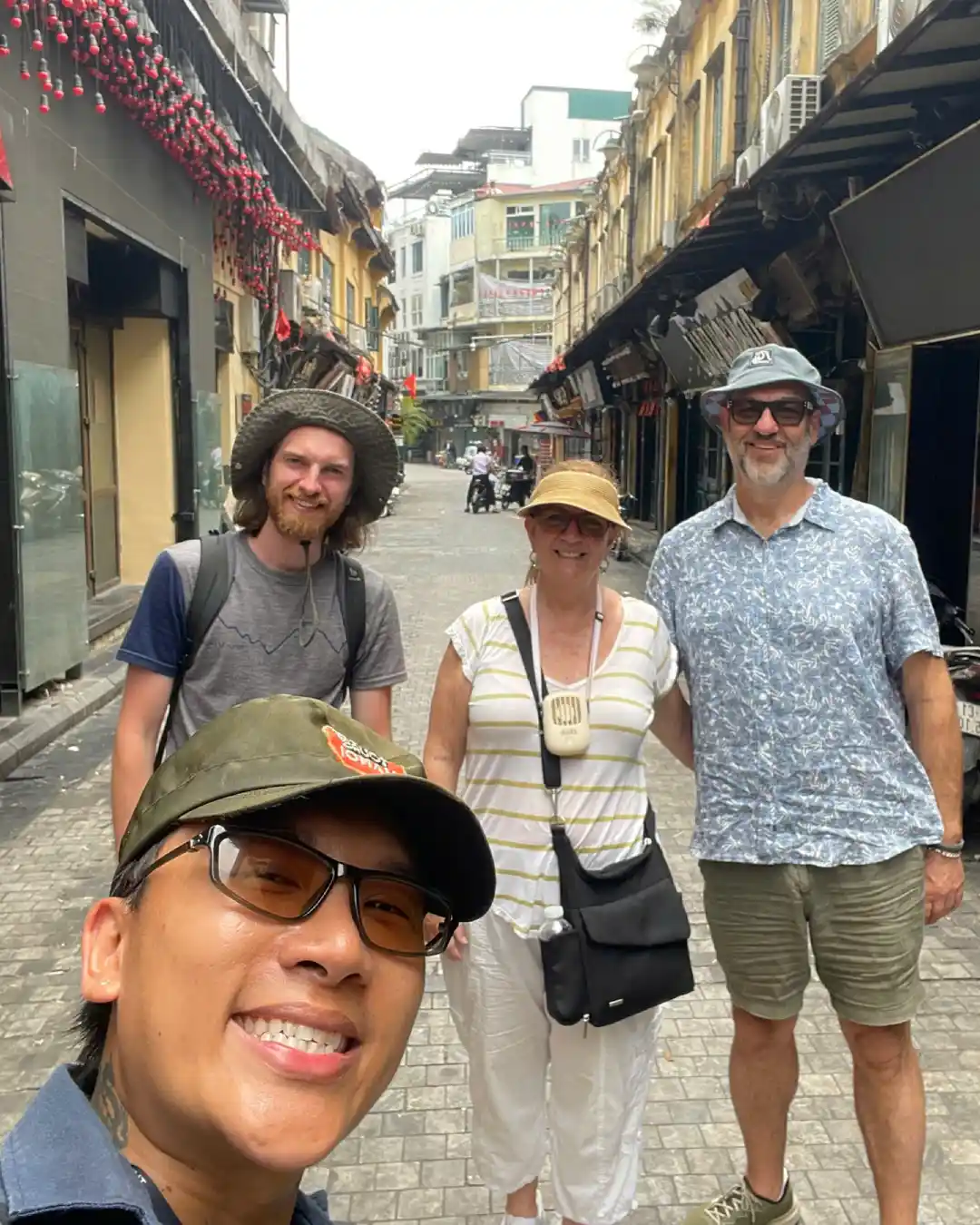
A photo journal from Hanoi — not a traveller review, and not proof that every detail in this guide happened on that walk.
Related content
Destination hub
Hanoi →Related stories
- Free vs Paid Hanoi Walking Tours: Which to BookCompare free tip-based and paid Hanoi walking tours — group size, tip norms, route depth and when each format wins — so you book the walk that matches your day, not just the lowest sticker price.
- Hanoi vs Ho Chi Minh City: Which Vietnamese Capital to Visit FirstChoose between Hanoi and Ho Chi Minh City — climate, culture, trip shape and when to split your Vietnam itinerary with an honest Hanoi-first editorial view.
- Planning Your Trip to Hanoi: Step-by-Step ChecklistA sequenced planning checklist for Hanoi — dates, visa, hotel, skeleton itinerary, tour bookings and arrival day — without duplicating the complete city guide.
- Where to Stay in Hanoi: Neighbourhood Guide for Every TravellerChoose the right Hanoi neighbourhood before you book — Old Quarter, French Quarter, West Lake, Ba Dinh and more — with honest comparisons for families, food lovers, nightlife and budget.
- Best Time to Visit Hanoi: Complete Seasonal GuideWhen to visit Hanoi — month-by-month weather, rainy season, festivals, walking tours, food seasons and packing advice from local tour operators who work the city year-round.
- Day Trips from Hanoi: Complete Comparison GuideCompare every major day trip and overnight escape from Hanoi — Ninh Binh, Ha Long, Sapa, craft villages and more — with honest travel times, booking advice and tour picks.