Thang Long Imperial Citadel Hanoi: UNESCO Visit Guide
Plan a visit to Thang Long Imperial Citadel — UNESCO layers, on-site route, timing and how to pair it with Ba Dinh's mausoleum, One Pillar and Temple of Literature half-day.
By Paul16 min read19C Hoang Dieu, Ba Dinh District, Hanoi
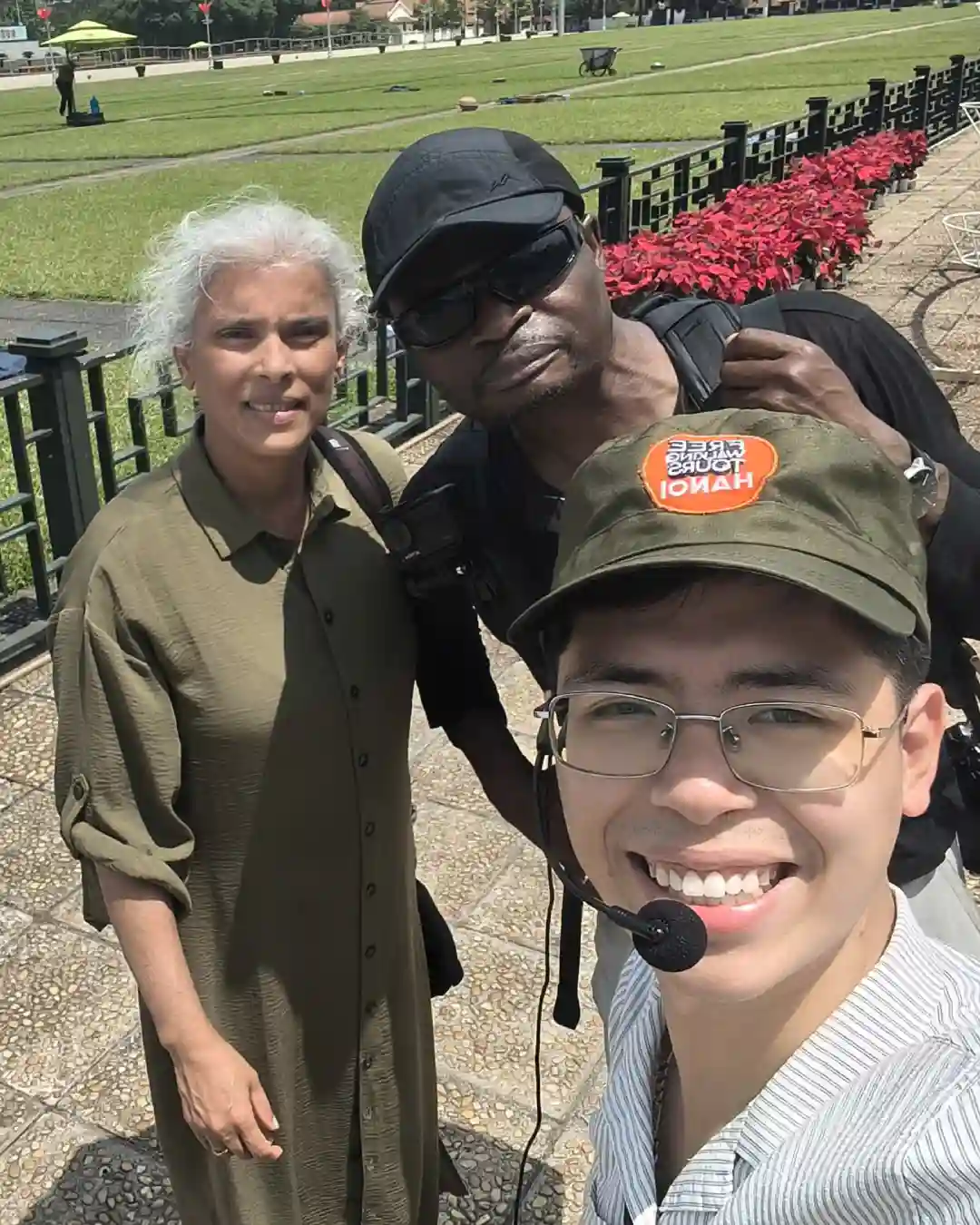
Introduction — answer first
Is Thang Long Imperial Citadel worth visiting? Yes if you care about Vietnamese state history before French colonisation — or if you want UNESCO credibility without leaving central Hanoi. Archaeological honesty beats fantasy reconstruction: you walk palace foundations, excavation pits, and layered brick, not a fully rebuilt Forbidden City. See also our complete guide to visiting Hanoi.
How long do you need? Two hours minimum for central sector; three hours if reading every display case and climbing Flag Tower separately.
When should you go? Tuesday–Sunday morning after mausoleum protocol, or afternoon standalone when Ba Dinh queues exhaust you. Mondays often closed — confirm before Grab.
Dinh's Ba Dinh script: "Mausoleum 06:00–07:30 → citadel 08:30–11:00 → lunch → Temple of Literature 14:00 — one coherent history day." Full timing: Ba Dinh district day guide.
UNESCO status — what was inscribed and why
Central Sector scope
UNESCO listing 2010 covers the Central Sector where political power concentrated from eleventh-century Ly dynasty through Le and Tran layers, with Nguyen and French military overlays. Integrity is archaeological authenticity — successive dynasties built, destroyed, rebuilt.
Outstanding universal value (plain English)
Committee recognised continuous power centre evidence spanning Asian monarchy, colonial encounter, and modern nation-state headquarters (North Vietnamese government used citadel areas twentieth century). You stand on stratified time, not single-era theme park.
Deep culture essay — not duplicated here: History of Thang Long and modern Hanoi.
History layers — what you are actually walking on
Ly dynasty foundation (1010 onward)
Emperor Ly Thai To moved capital to Thang Long (Ascending Dragon) — citadel walls and palace complex grew across centuries. One Pillar Pagoda nearby preserves Ly-era Buddhist architecture fragment — pair same day.
Tran and Le dynasties
Successive rulers expanded and rebuilt after wars and fires. Kinh Thien Palace platform marks where emperors held court — foundations visible, roof gone.
Nguyen dynasty and decline of imperial Hanoi
Nguyen moved primary capital south to Hue nineteenth century — Hanoi citadel secondary but still strategic.
French colonial military use
French army reused and rebuilt sections — basement structures twentieth century reflect colonial military engineering atop imperial bricks.
Twentieth-century command centre
North Vietnamese government operated in citadel precinct during American War era — security sensitivity explains partial public access today; follow visitor routes only.
Paul: "Citadel teaches ruin as honesty — Hue Imperial City rebuilds fantasy; Thang Long shows archaeology of power."
Site map — central sector essentials
Doan Mon Gate (Main Gate)
Three-arched gate — emperor's centre arch historically restricted. Photo from approach plaza; morning sun on yellow brick pleasing dry season.
Kinh Thien Palace foundation
Large stone platform — dragon ramps carved stone iconic image. Climb permitted areas only; no casual lunch on sacred platform.
Excavation area (18 Hoang Dieu)
Glass-covered pits and open trenches show stratigraphy — Tang-style ceramics through Ly, Le, Nguyen layers visible with labels. Museum-quality air-con exhibition building adjacent — rest and read.
D67 House and military history rooms
Twentieth-century command bunkers and meeting rooms — war history interpretive. Quiet tone; photography rules posted.
Hanoi Flag Tower (Ky Dai)
Separate ticket sometimes or combined — 33m tower visible citywide near Ba Dinh Square edge. Climb narrow stairs for view; not same entrance as all citadel packages — confirm ticket bundle.
Tickets, hours, and entry protocol
Buying tickets
- Central sector booth — Hoang Dieu entrance; passport copy occasionally requested
- Price tier — adult standard; student/discount with ID
- Flag Tower — verify combined or separate fee
Cash and card policies shift — carry both.
Hours pattern
Typically 08:00–17:00, last entry 16:30; closed Monday common for maintenance — always check official notice week of visit. Tet closures possible.
What to bring
- Water — Ba Dinh walking spreads distances
- Sun hat — open foundations expose sun
- Modest clothing if combining mausoleum — knees and shoulders covered, no shorts strict zones
- Light shoes — uneven brick and pit walkways
Mausoleum dress rules: Ho Chi Minh Mausoleum guide.
Suggested visit route — 2.5 hours inside
```
08:30 Enter Doan Mon Gate
08:45 Kinh Thien platform + dragon stone ramps
09:15 Excavation pits 18 Hoang Dieu + air-con gallery
10:00 D67 / military history rooms
10:45 Exit toward Flag Tower if ticket includes OR walk to One Pillar
11:15 One Pillar Pagoda nearby
```
Afternoon alternative: citadel only when mausoleum missed morning — less optimal but valid.
Ba Dinh day pairing — the full choreography
Option A: Mausoleum dawn + citadel + literature
| Time | Stop |
|---|---|
| 06:00 | Ho Chi Minh Mausoleum queue |
| 08:00 | Citadel central sector |
| 12:00 | Ba Dinh lunch (limited options — Grab or pack snack) |
| 14:00 | Temple of Literature |
| 16:00 | Coffee west lake OR Old Quarter recovery |
Master planner: Ba Dinh district day guide.
Option B: Citadel + One Pillar half-day
Lighter history morning without mausoleum protocol — suitable Monday when mausoleum also closed or when children cannot tolerate queue silence.
Option C: City tour delegation
Hanoi city tour bundles transport and guide narrative — useful summer heat or mobility limited travellers.
Comparison — Thang Long Citadel vs Hue Imperial City vs Temple of Literature
| Thang Long Citadel | Hue Imperial City | Temple of Literature | |
|---|---|---|---|
| City | Hanoi Ba Dinh | Hue | Hanoi Ba Dinh |
| Era focus | Ly–Le foundations + modern layers | Nguyen dynasty peak | Confucian education |
| Presentation | Archaeological ruins + pits | Rebuilt gates and palaces | Courtyards intact |
| UNESCO | Yes (central sector) | Yes (Complex of Hue Monuments) | No (national special relic) |
| Visit time | 2–3 hours | Half–full day | 1.5–2 hours |
| Guide | This page | Hue separate | Temple of Literature |
Hue requires flight or train — do not skip Hanoi citadel because you plan Hue later; different stories.
One Pillar Pagoda — walk, do not skip
Five to ten minutes from citadel exits — Chua Mot Cot unique single-pillar lotus architecture (rebuilt after destruction). Small fee; quick visit; Ly dynasty bookmark after imperial foundations.
Entity detail: One Pillar Pagoda Hanoi.
Shaw: "One Pillar is postcard; citadel is textbook — pair both same morning."
What guides get wrong — set expectations
Not a fully rebuilt palace
Marketing photos sometimes imply roofs — reality foundations and pits. Adjust imagination; reward is depth not Disney.
Monday closure surprise
Travellers arriving Monday find gates closed — swap to Temple of Literature (check own hours) or Old Quarter.
Mausoleum + citadel same morning fatigue
Emotional tone shift — mausoleum solemn queue, citadel archaeological stroll. Bring snack; hangry history bad history.
Military zones off limits
Do not wander barrier chains — working government/security areas adjacent.
Seasonal notes
Summer (May–Aug)
Brutal sun on open platform — hat, sunscreen, 08:30 start. Air-con gallery recovery hour.
Winter (Dec–Jan)
Grey atmospheric — dragon stone moody; warm layer wind Ba Dinh.
Rain
Pits slippery; gallery valuable; umbrella on brick cautious.
Accessibility and families
Uneven surfaces — wheelchair partial; Flag Tower stairs only. Children school-age engage with pits better than toddlers — no playground energy release inside.
Stroller difficult — carrier recommended.
18 Hoang Dieu archaeological gallery — air-con hour well spent
Inside the building
Climate-controlled exhibition walks vertical timeline — Tang, Ly, Tran, Le, Nguyen, French layers with artefact cases: ceramics, roof tiles, foundations maps, multimedia.
How to read without fatigue
Pick three display themes:
- Ceramic typology change — colour and kiln origin shifts
- Palace axis map overlay — where you walked outside
- Twentieth-century command layer — connects to D67 rooms
Paul: "Gallery answers 'what am I looking at in pits?' — do inside before pits if heat high, after pits if cognitive preference for field-first."
D67 bunker house — recent history tone
What D67 is
1960s military headquarters rooms preserved — maps, telephones, meeting table, ventilation shafts. American War era decision-making physical space.
Visitor tone
Conversational volume low; questions welcome to guides; avoid triumphalism performances — Vietnamese families visit with complex memory.
Photography sometimes restricted rooms — obey red signs.
Dragon stone ramps — photography and symbolism
Kinh Thien platform ramps
Stone dragons flanking central staircase — imperial access symbolism — emperor centre, officials sides. Touch wear on scales from decades of tourist hands — look, minimal touch.
Crowd management
Tour groups queue centre photo — side angle 30 degrees delivers depth without queue.
Ba Dinh fuel — where to eat between sights
Ba Dinh restaurant desert relative to Old Quarter — options:
| Option | Logic |
|---|---|
| Pack snack from Old Quarter hotel | Cheap, time-saving |
| Grab to West Lake café | 15 min, better menu |
| Government canteen adjacent rarely | Not tourist-facing |
| Finish citadel → Grab Old Quarter lunch | Dinh preferred |
Food culture primer: Hanoi street food culture.
Doan Mon Gate — three arches, one emperor path
Centre arch protocol historically
Emperor centre, mandarins side arches — social hierarchy cast in stone. Today all arches open pedestrians; photo centre popular — side arch faster if queue.
Morning light on yellow brick
East-facing approach 08:00–09:00 warm dry season; overcast even diffusion winter — both valid.
Kinh Thien Palace — imagining roof where none stands
Mental reconstruction exercise
Platform size implies large timber hall — fires and wars destroyed superstructure. Markers show column bases — count bases guess span.
Comparison Hue
Hue rebuilt Nguyen palaces tourist readable; Thang Long honest ruin — choose expectation before entry.
Mausoleum dress rehearsal — same-day wardrobe
If Ba Dinh morning includes Ho Chi Minh Mausoleum:
| Item | Mausoleum | Citadel |
|---|---|---|
| Shorts | Rejected | Discouraged |
| Sleeveless | Rejected | Discouraged |
| Hat | Remove | Optional |
| Camera | Restricted zones | Allowed most outdoor |
One modest outfit covers both — plan ahead; do not rely on changing clothes between sites.
Full queue protocol: Mausoleum guide · Ba Dinh day guide.
Children at citadel — engagement tactics
Treasure hunt three dragon carvings; count column bases; sketch pit profile — better than reading every plaque. Under 5 stroller hell — carrier or one parent skip.
Local expert insights
Paul (heritage): "Read one display case fully instead of skimming twenty — stratigraphy story clicks once."
Dinh (planning): "Ba Dinh day Grab once to district, walk between citadel, One Pillar, mausoleum triangle — traffic one-way systems confuse drivers."
Anna (food): "No great street food inside Ba Dinh — eat before entering or Grab to Old Quarter lunch."
Shaw (ethics): "War rooms are recent memory for guides' parents — questions welcome, debate tone not."
Photo tip: Dragon ramp side angle mid-morning avoids tourist pack on centre axis.
Post-visit Ba Dinh triangle — walking distances honest
| From citadel exit | To | Walk |
|---|---|---|
| Central sector | One Pillar Pagoda | 8–12 min |
| Central sector | Mausoleum complex | 10–15 min |
| Central sector | Temple of Literature | 25–35 min or Grab |
Grab Temple of Literature after citadel if heat or kids — walking possible via Quoc Tu Giam street.
UNESCO visitor responsibility — stay on path
Archaeological pits fragile — no climbing unmarked brick; no artifact pocketing — felony territory; drones prohibited.
Guide hiring at gate
Independent guides offer services outside — optional; official site labels sufficient if history pillar read evening before.
Audio rare — download History of Thang Long article offline instead.
City tour bundling: Hanoi city tour · City highlights walking tour.
Combining with Temple of Literature same afternoon
Citadel morning + literature 14:00 works — 25–35 minute walk or Grab; separate tickets; full Ba Dinh script district day guide.
Closing — what to read next
Thang Long Imperial Citadel is where Hanoi's capital story becomes visible brick — pair it, do not isolate it.
Continue with:
- Ba Dinh district day guide — full district choreography
- Ho Chi Minh Mausoleum Hanoi — dawn queue protocol
- Temple of Literature Hanoi — Confucian exam campus
- One Pillar Pagoda Hanoi — Ly architecture bookmark
- History of Thang Long and modern Hanoi — culture depth pillar
- Hanoi Old Quarter guide — contrast evening after Ba Dinh
- Complete guide to visiting Hanoi — capital overview
Tours: Hanoi city tour · City highlights walking tour
You visited well if you can name one dynasty layer seen in pits and explain why UNESCO cared about ruin, not replica.
FAQ — quick answers
Is Thang Long Imperial Citadel worth visiting? Yes — essential UNESCO archaeological site for Vietnamese imperial history in Hanoi; allow 2–3 hours.
What are Thang Long Citadel opening hours? Typically 08:00–17:00 Tue–Sun; often closed Monday — confirm locally before visiting.
How much is Thang Long Citadel ticket? Paid central sector entry — adult pricing at Hoang Dieu gate; Flag Tower may be separate; confirm bundle locally.
How to get to Thang Long Imperial Citadel? Ba Dinh District, Hoang Dieu entrance — Grab to Ho Chi Minh complex area then walk signs; part of Ba Dinh day route.
Thang Long Citadel vs Ho Chi Minh Mausoleum — same day? Yes — standard Ba Dinh morning: mausoleum dawn queue then citadel 08:30–11:00. Mausoleum guide: Ho Chi Minh Mausoleum.
Is Thang Long Citadel UNESCO? Yes — Central Sector inscribed 2010 for continuous imperial capital archaeological evidence.
What should I see at Thang Long Citadel? Doan Mon Gate, Kinh Thien Palace foundations, dragon stone ramps, 18 Hoang Dieu excavation pits, D67 war history rooms, nearby Flag Tower.
How long to visit Thang Long Citadel? 2–3 hours central sector; add 30–45 minutes for Flag Tower and One Pillar Pagoda.
Can I visit Thang Long Citadel on Monday? Often closed Monday — verify current schedule; plan Temple of Literature or Old Quarter alternative.
What to read for history depth? History of Thang Long and modern Hanoi — culture pillar beyond this visit guide.
Is Thang Long Citadel the same as Hanoi Citadel military zone? Partial overlap — visitor central sector UNESCO clearly signed; do not enter restricted military areas.
Can I bring a backpack to Thang Long Citadel? Yes generally — security glance; large bags awkward in narrow D67 stairs.
Thang Long Citadel with elderly parents? Pits uneven; gallery elevator check; Flag Tower stairs skip; mausoleum same-day test mobility honestly.
Where is Thang Long Citadel entrance? 19C Hoang Dieu central sector gate — Grab pin "Imperial Citadel Thang Long" verify driver knows Ba Dinh not Old Quarter.
One Pillar Pagoda same ticket as citadel? Separate small fee One Pillar — walk 8–12 minutes after citadel exit — One Pillar guide.
Is photography allowed in Thang Long Citadel? Outdoor generally yes; D67 rooms check signs; no drone; no flash near artefacts in gallery.
Why is Thang Long Citadel closed Monday? Maintenance and staff rotation common Vietnam museum pattern — always verify week of visit.
How does Thang Long Citadel compare to Hue? Thang Long archaeological ruin in Hanoi; Hue rebuilt Nguyen palaces half-day train flight south — complementary not substitutes.
Should I hire a guide at Thang Long Citadel? Optional — read History of Thang Long evening before; book Hanoi city tour if heat or mobility concerns.
What should I wear to Thang Long Citadel? Modest comfortable walking shoes; same outfit covers mausoleum if paired same morning.
Local tips
- →Arrive at Thang Long Imperial Citadel Hanoi at opening or late afternoon — Hanoi midday tour groups peak hard.
- →Pair Thang Long Imperial Citadel Hanoi with one nearby stop in the same district, not a city-wide scavenger hunt.
- →Group Thang Long Imperial Citadel Hanoi with nearby sights in the same Hanoi district to cut cross-town Grab time.
- →Walk to Thang Long Imperial Citadel Hanoi early; Hanoi heat and scooter density rise after 09:30.
Good to know
- Thang Long Imperial Citadel Hanoi ticket rules and camera policies can change — verify at the gate, not only in blogs.
- Shade and seating near Thang Long Imperial Citadel Hanoi are limited; carry water in warm Hanoi months.
- Near Thang Long Imperial Citadel Hanoi, Hanoi street vendors often need small cash even when hotels take cards.
- Tet and festival weeks change opening patterns for Thang Long Imperial Citadel Hanoi — verify that week’s hours.
Before you go
- Before you go: check whether Thang Long Imperial Citadel Hanoi closes for ceremonies or maintenance that week.
- Wear shoes you can remove quickly if Thang Long Imperial Citadel Hanoi requires it.
- Screenshot offline maps for the blocks around Thang Long Imperial Citadel Hanoi before you enter dense Hanoi lanes.
Common mistakes
- ✕Arriving Monday without checking closure — Wasted Grab; verify hours.
- ✕Expecting Forbidden City reconstruction — Misaligned expectations ruin visit.
- ✕Skipping excavation gallery for outdoor heat only — Best interpretive value inside.
- ✕Dressing for mausoleum casually when pairing — Turned away at Ho Chi Minh complex.
- ✕One hour rush before flight — Ba Dinh deserves half-day minimum .
- ✕Ignoring One Pillar proximity — Unnecessary separate trip later.
- ✕Wandering past barriers — Security escalation.
- ✕No water in summer — Dehydration on Kinh Thien platform common.
- ✕Duplicating full history essay here instead of reading Thang Long history pillar — Wrong guide for depth.
- ✕Combining Ba Dinh dawn + Old Quarter midnight beer — Schedule disrespects your body.
Practical information
- How to get there
- Ba Dinh district — about 10–15 minutes by Grab from Hoan Kiem Lake.
- Best time to visit
- Morning after or before mausoleum timing; confirm ticket desks and closed sections locally.
- Suggested itinerary
- Mausoleum window → One Pillar → Citadel → Temple of Literature (see Ba Dinh day guide).
- Nearby attractions
- Ho Chi Minh Mausoleum
- One Pillar Pagoda
- Temple of Literature
- Ba Dinh Square
Frequently asked questions
- Is Thang Long Imperial Citadel worth visiting?
- **Yes** — essential **UNESCO archaeological site** for Vietnamese imperial history in Hanoi; allow **2–3 hours**.
- What are Thang Long Citadel opening hours?
- Typically **08:00–17:00 Tue–Sun**; often **closed Monday** — confirm locally before visiting.
- How much is Thang Long Citadel ticket?
- **Paid central sector entry** — adult pricing at Hoang Dieu gate; Flag Tower may be separate; confirm bundle locally.
- How to get to Thang Long Imperial Citadel?
- **Ba Dinh District**, Hoang Dieu entrance — Grab to **Ho Chi Minh complex area** then walk signs; part of [Ba Dinh day route](/stories/ba-dinh-district-day-guide).
- Thang Long Citadel vs Ho Chi Minh Mausoleum — same day?
- **Yes — standard Ba Dinh morning**: mausoleum dawn queue then citadel **08:30–11:00**. Mausoleum guide: [Ho Chi Minh Mausoleum](/stories/ho-chi-minh-mausoleum-hanoi).
- Is Thang Long Citadel UNESCO?
- **Yes** — Central Sector inscribed **2010** for continuous imperial capital archaeological evidence.
- What should I see at Thang Long Citadel?
- **Doan Mon Gate**, **Kinh Thien Palace foundations**, **dragon stone ramps**, **18 Hoang Dieu excavation pits**, **D67 war history rooms**, nearby **Flag Tower**.
- How long to visit Thang Long Citadel?
- **2–3 hours** central sector; add **30–45 minutes** for Flag Tower and [One Pillar Pagoda](/stories/one-pillar-pagoda-hanoi).
From the road
Related real moment
A photo journal from Hanoi — not a traveller review, and not proof that every detail in this guide happened on that walk.
Related content
Knowledge hub
Hanoi Landmarks →Historic landmarks, temples, markets and iconic places that define Hanoi.
Destination hub
Hanoi →Related stories
- Ho Chi Minh Mausoleum Hanoi: Etiquette, Queues & TimingVisit Ho Chi Minh Mausoleum with clear etiquette — dress code, queue reality, closed-day honesty and how to pair One Pillar Pagoda and the wider Ba Dinh half-day.
- Temple of Literature Hanoi: Vietnam's First UniversityVisit the Temple of Literature — courtyard sequence, tickets, dress code, photo etiquette and how Confucian heritage connects to a practical Ba Dinh half-day.
- One Pillar Pagoda Hanoi: Symbolism & Quick Visit GuideVisit One Pillar Pagoda the right way — short stop, lotus symbolism, photo etiquette and the essential pairing with Ho Chi Minh Mausoleum on a Ba Dinh morning.
- Ba Dinh District Day Guide: Mausoleum to Citadel Half-DayRun Ba Dinh as a half-day route — Ho Chi Minh Mausoleum, One Pillar Pagoda, Temple of Literature and Thang Long Citadel — with timing tables and links to each entity guide.
- The History of Thang Long and Modern Hanoi: A Thousand Years of ChangeDiscover the history of Hanoi from the founding of Thang Long in 1010 to the modern capital of Vietnam, including dynasties, colonial heritage and cultural landmarks.
- Complete Guide to Visiting Hanoi (2026)The ultimate 2026 cornerstone guide to Hanoi — how many days, top sights, neighbourhoods, food, transport, itineraries, safety, budget and day trips from local experts.