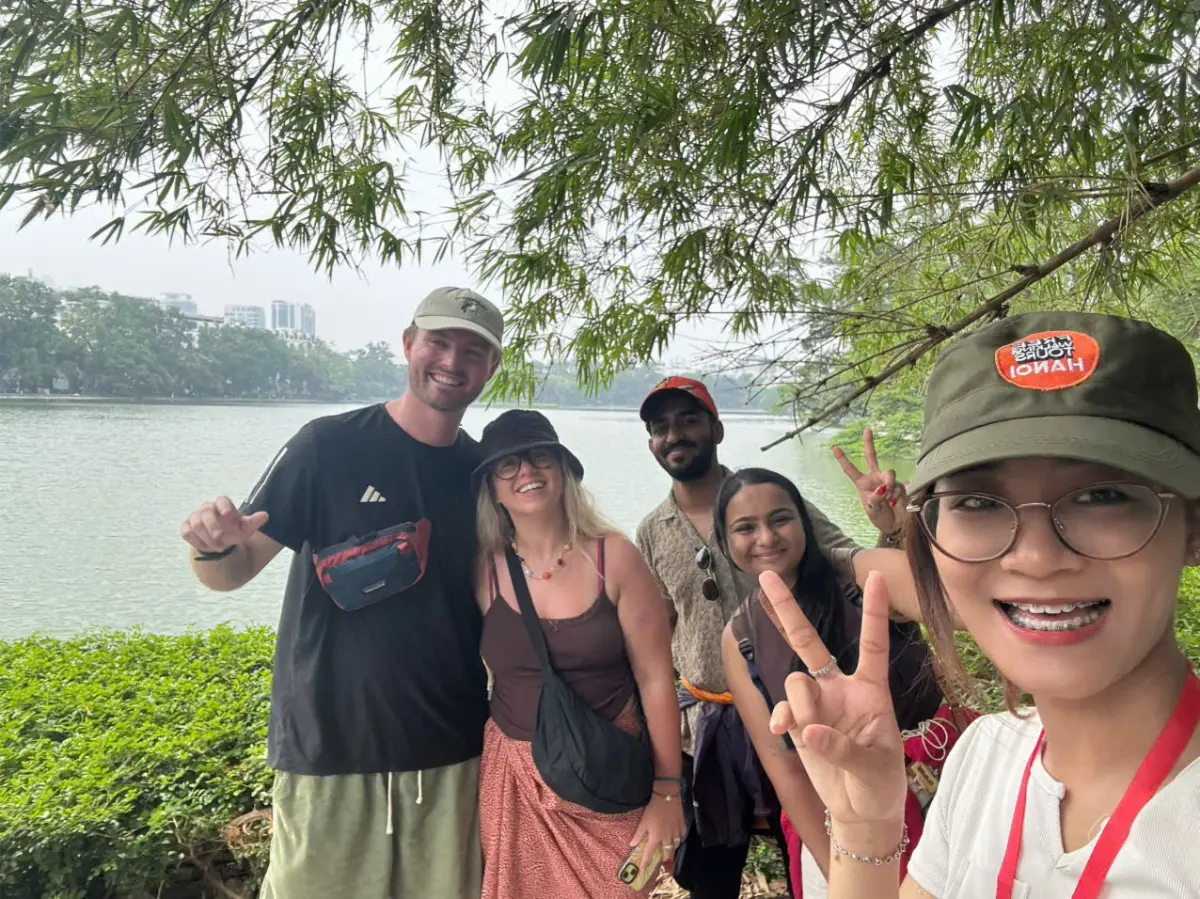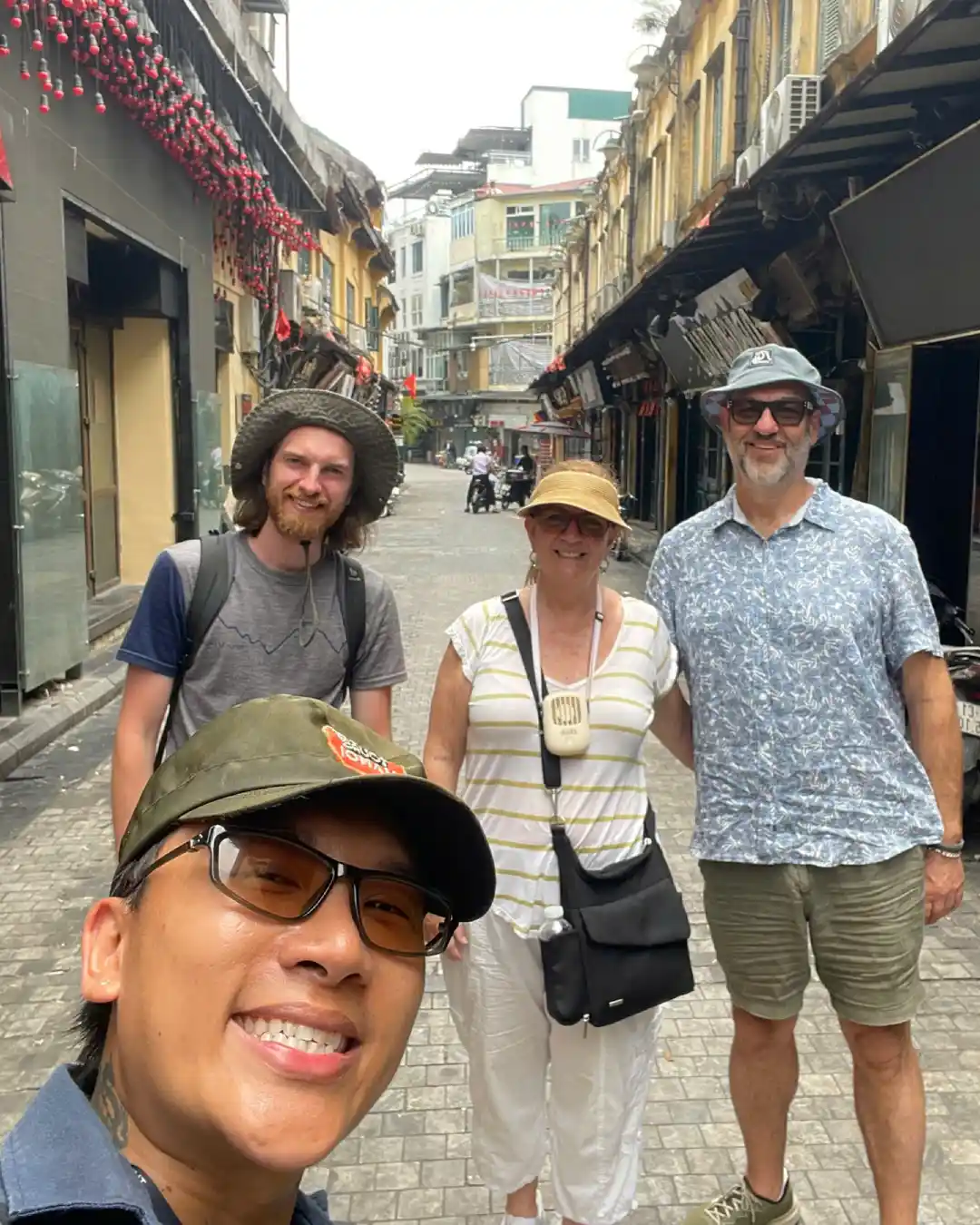
Old Quarter morning — meeting point on a quiet cobblestone street, before the shops fully open and the scooters take over.
Snapshot · Hanoi, Vietnam
A Day Exploring Hanoi One Street at a Time
Some visitors come to Hanoi with a list of landmarks. Others simply want to understand how the city feels.
The travellers in these photographs spent their day doing exactly that — walking through the Old Quarter, stopping at historic sites, tasting local food and ending the afternoon beside Long Bien Bridge. No private vehicles, no rushed schedule, just Hanoi at street level.
Meeting in the Old Quarter
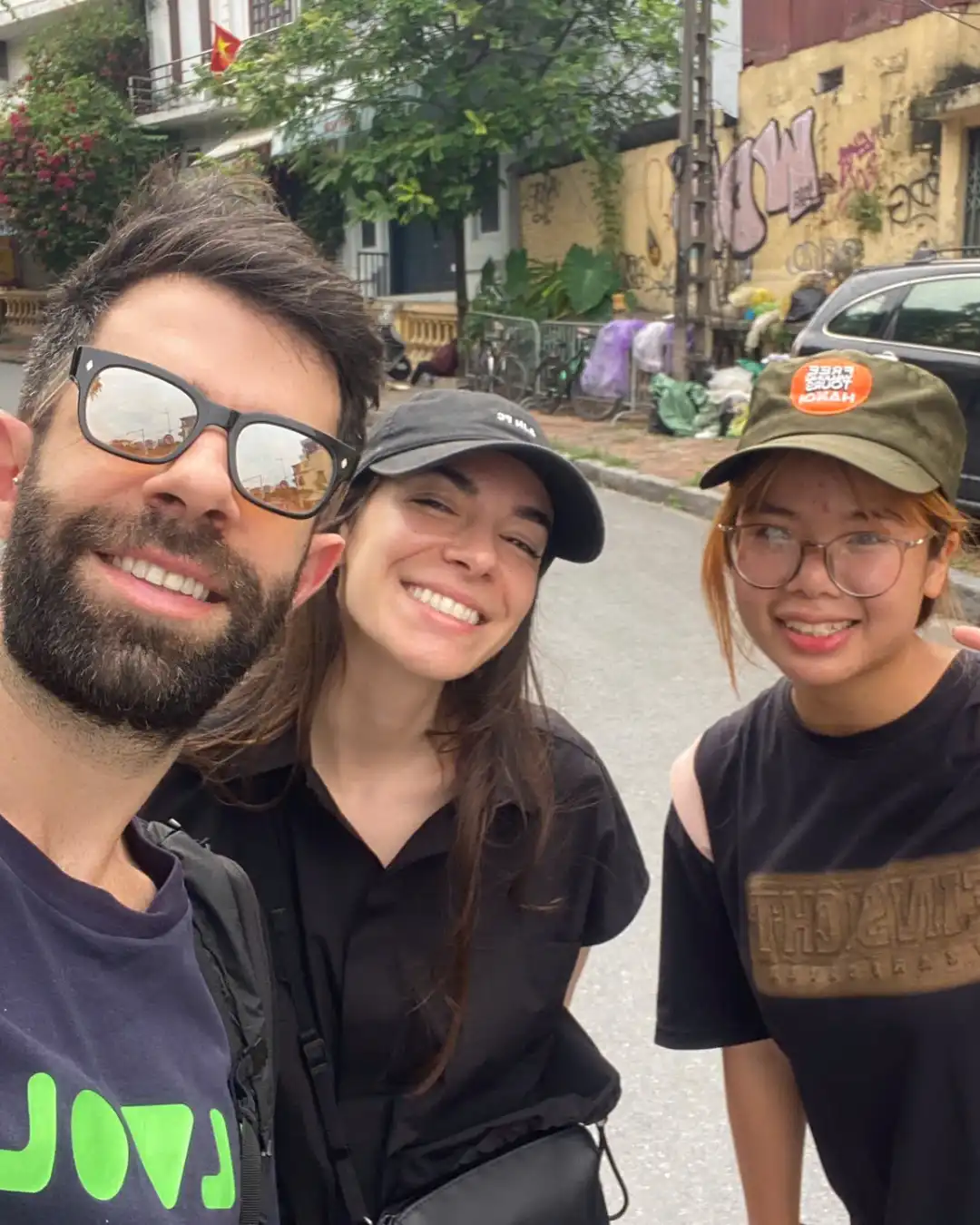
The day began in the narrow streets of Hanoi's Old Quarter. Small shops were opening for business, scooters were weaving through the alleys and local residents were already busy with their daily routines.
For first-time visitors, this part of Hanoi can feel overwhelming. Yet it is also where the city's character is most visible. French-colonial facades stand beside family-run businesses, hidden courtyards sit behind busy storefronts and every street seems to tell a different story.
Discovering Hanoi's Historic Side
From the Old Quarter, the walk continued towards some of Hanoi's most important cultural landmarks.
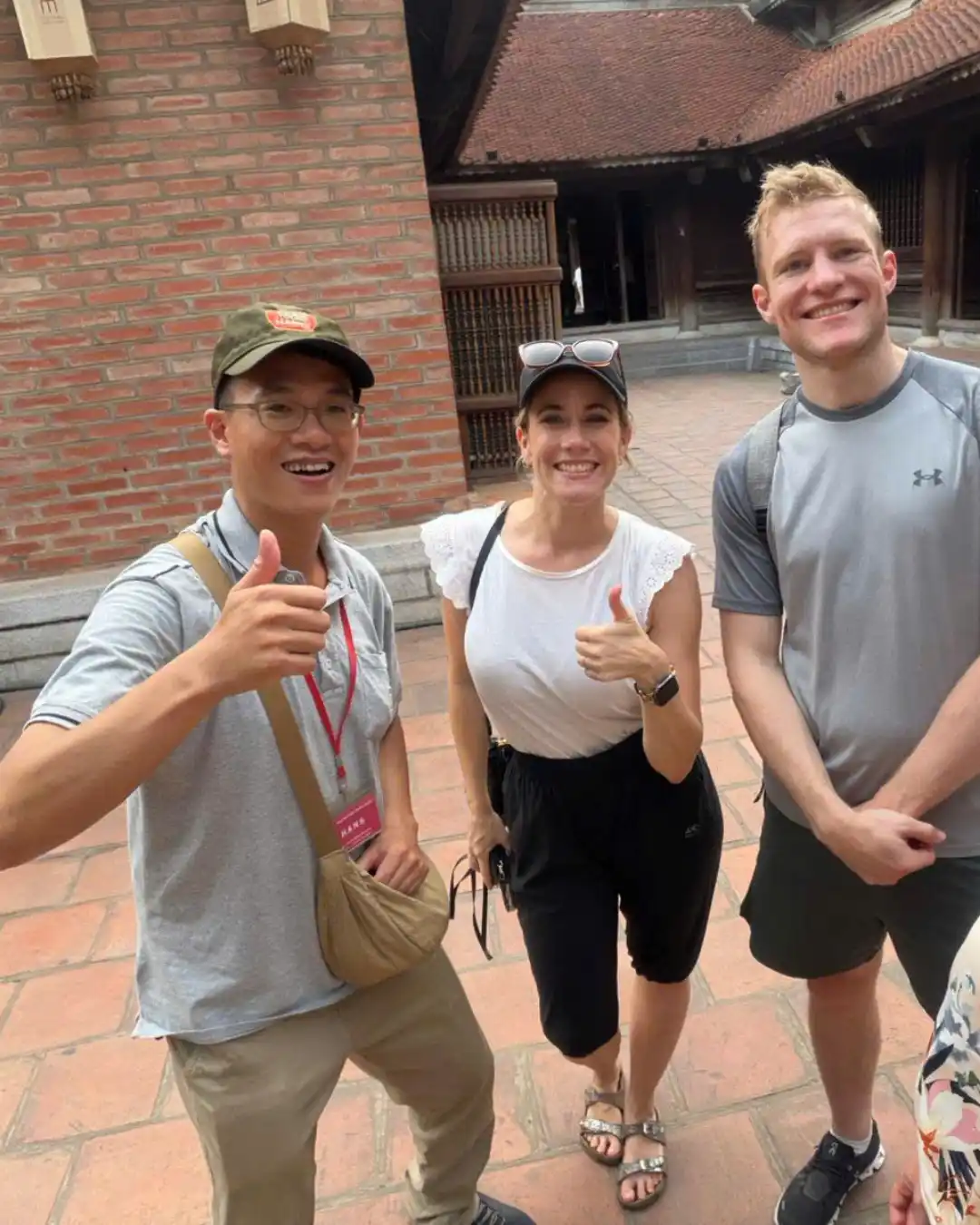
At the Temple of Literature, travellers learned about Vietnam's long educational tradition and the scholars who once studied within its courtyards. Away from the traffic outside, the peaceful atmosphere offered a completely different side of Hanoi.
Many visitors are surprised to discover how much history is hidden behind the city's modern appearance.
Local Food and Everyday Life
No walking tour in Hanoi feels complete without a stop to try local food.
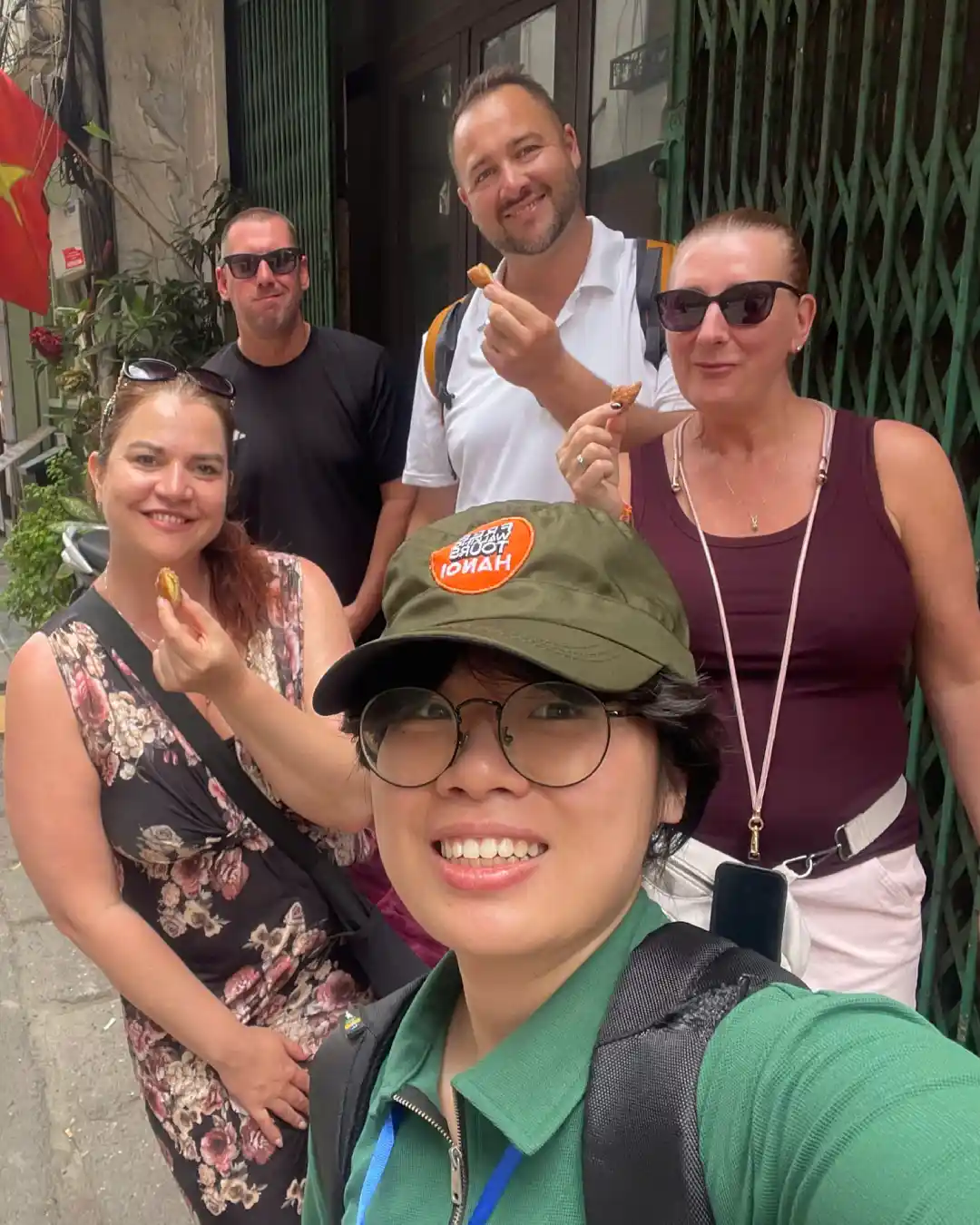
Rather than searching for famous restaurants, the group explored small local places tucked into side streets. These simple stops often become the most memorable part of the day because they provide a glimpse into everyday life rather than tourist attractions.
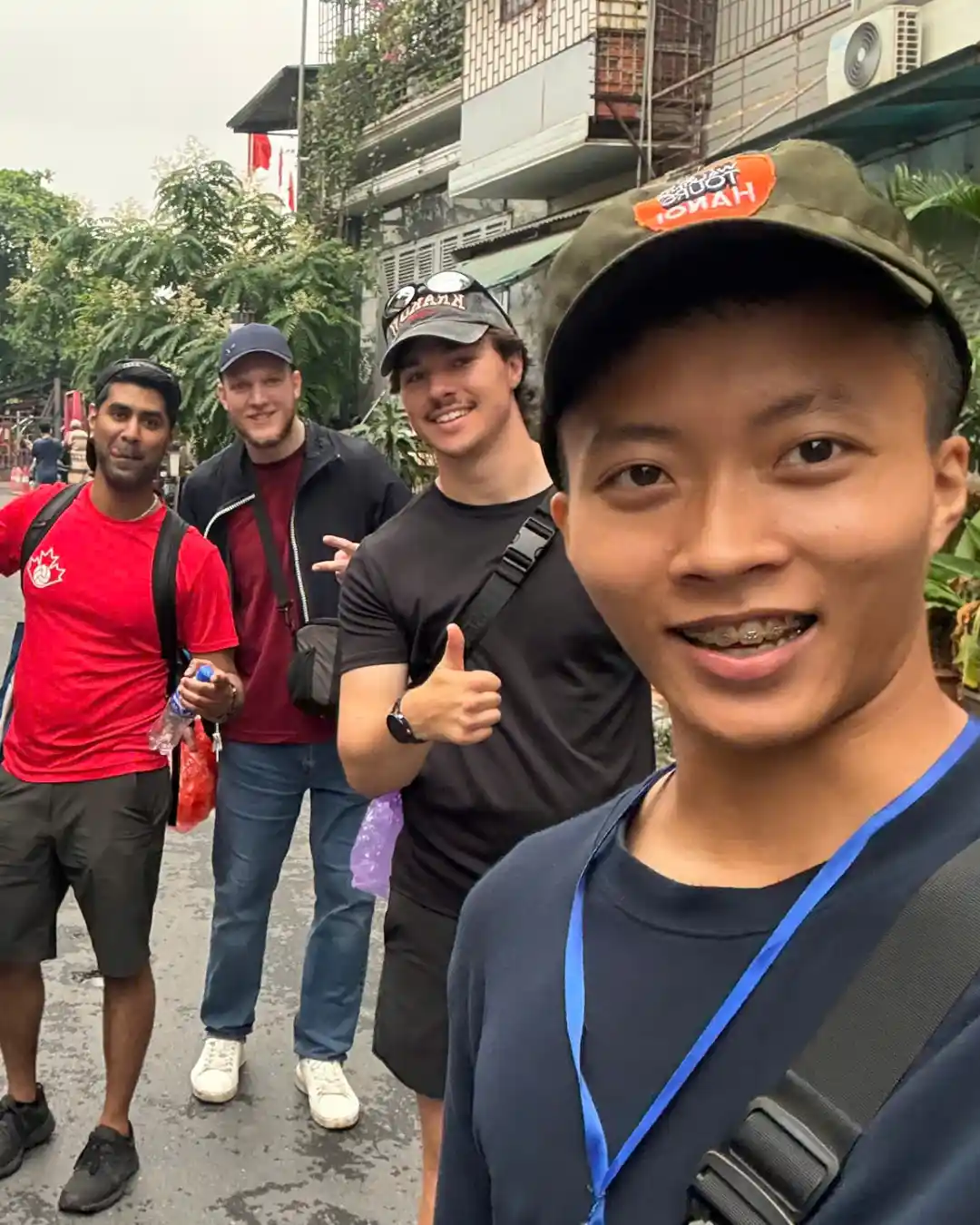
Walking between neighbourhoods also created opportunities for spontaneous conversations about local culture, family life and daily routines in Vietnam.
Crossing Long Bien Bridge
As the afternoon progressed, the route reached Long Bien Bridge.
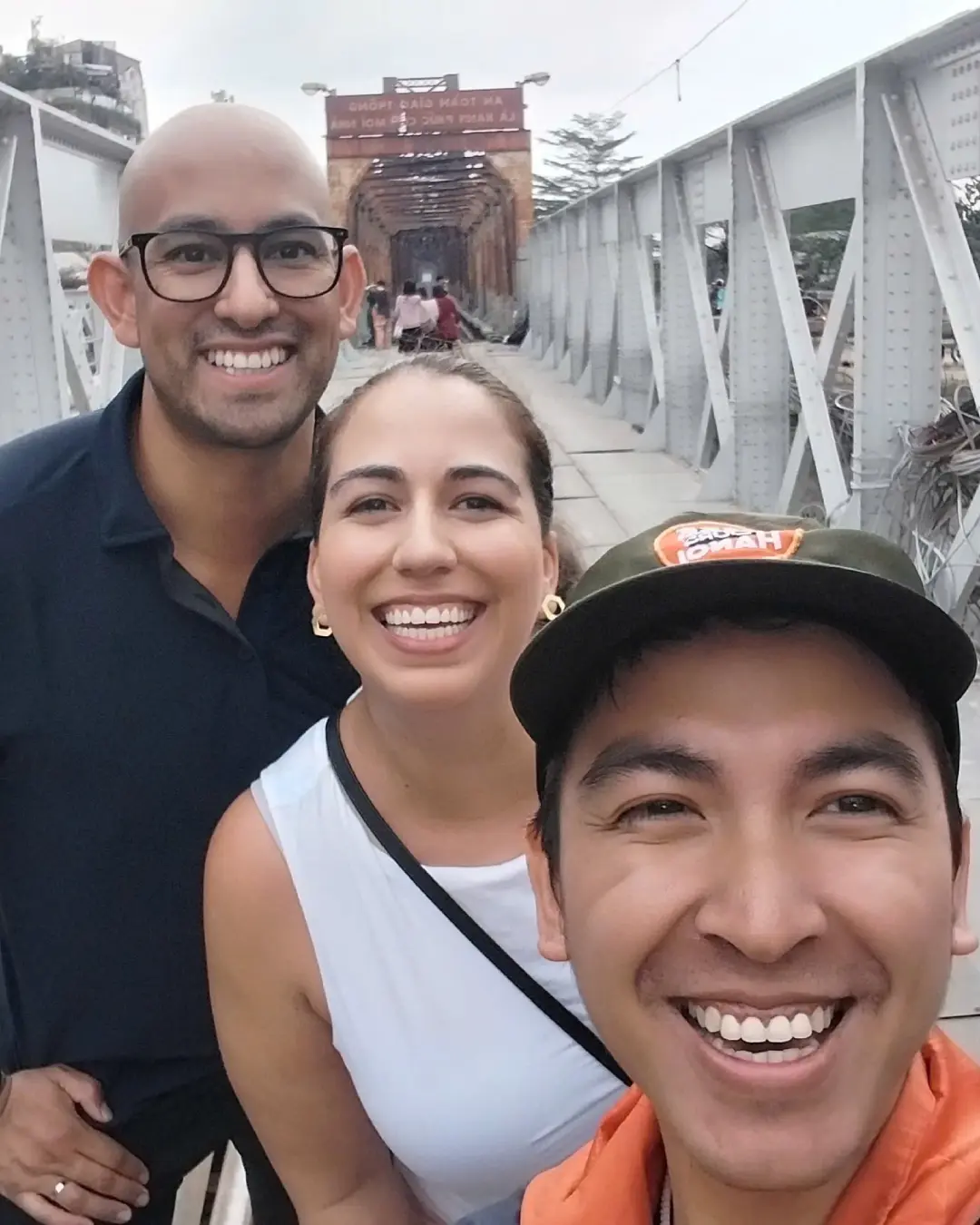
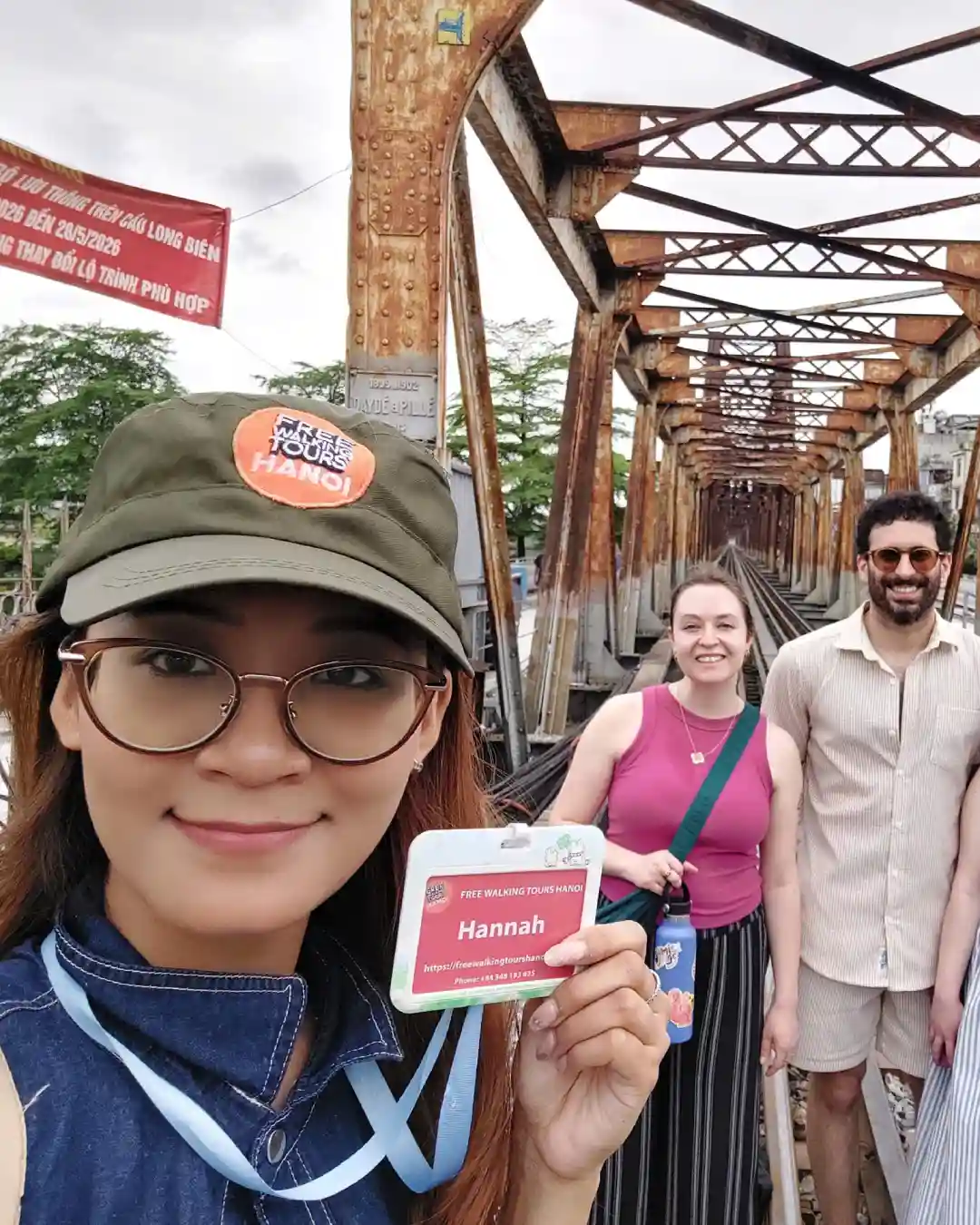
Built more than a century ago, the bridge remains one of Hanoi's most recognisable landmarks. Its rusted iron structure carries layers of history while continuing to connect communities on both sides of the Red River.
Walking across the bridge offers views that cannot be experienced from a vehicle. The river below, the railway tracks, the surrounding neighbourhoods and the changing skyline all come together in a single panorama.
Small Moments That Matter
The most memorable travel experiences are often not the famous attractions but the moments between them.
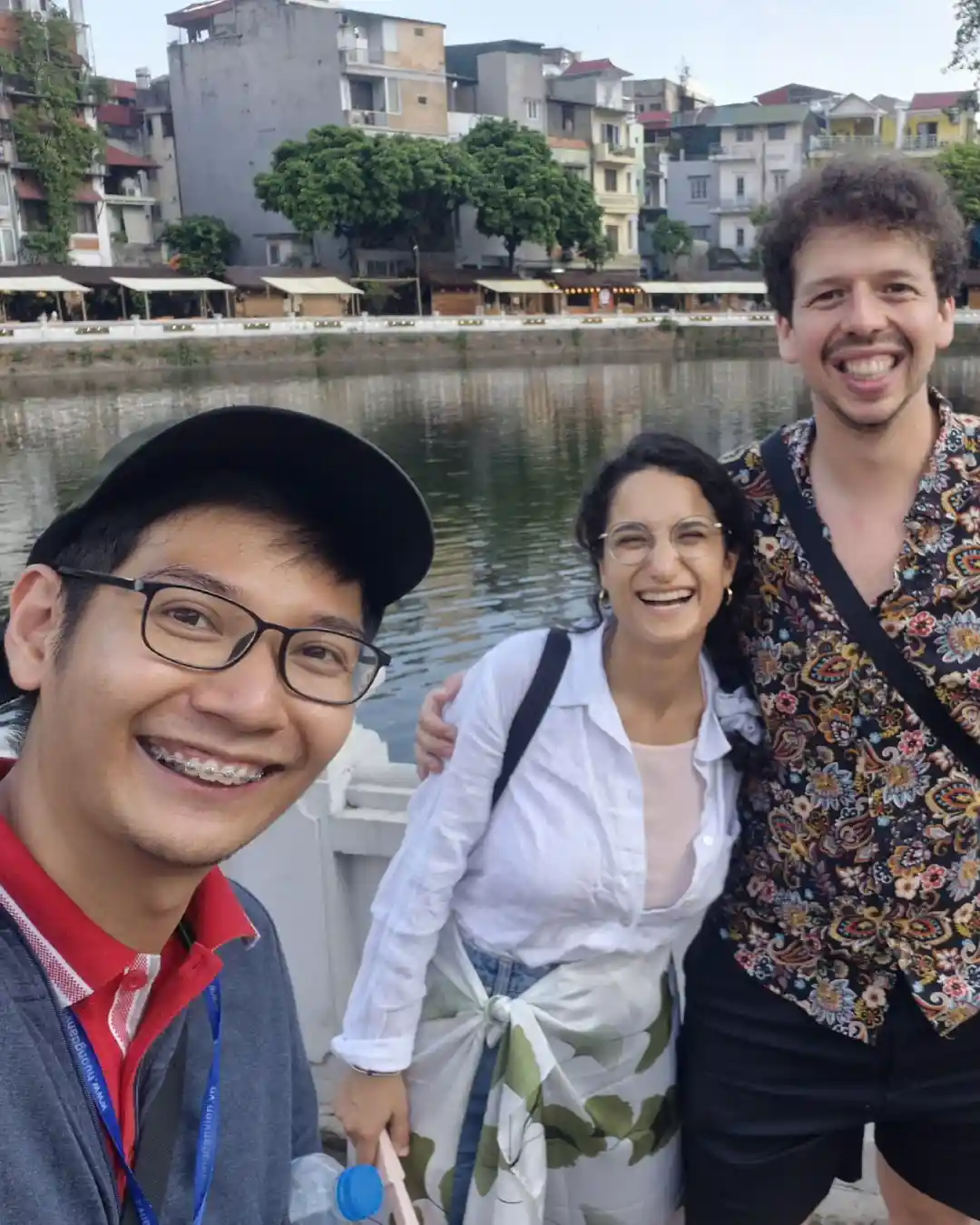
A conversation while crossing a bridge. A local snack shared in a quiet alley. A group photo taken after spending several hours exploring together.
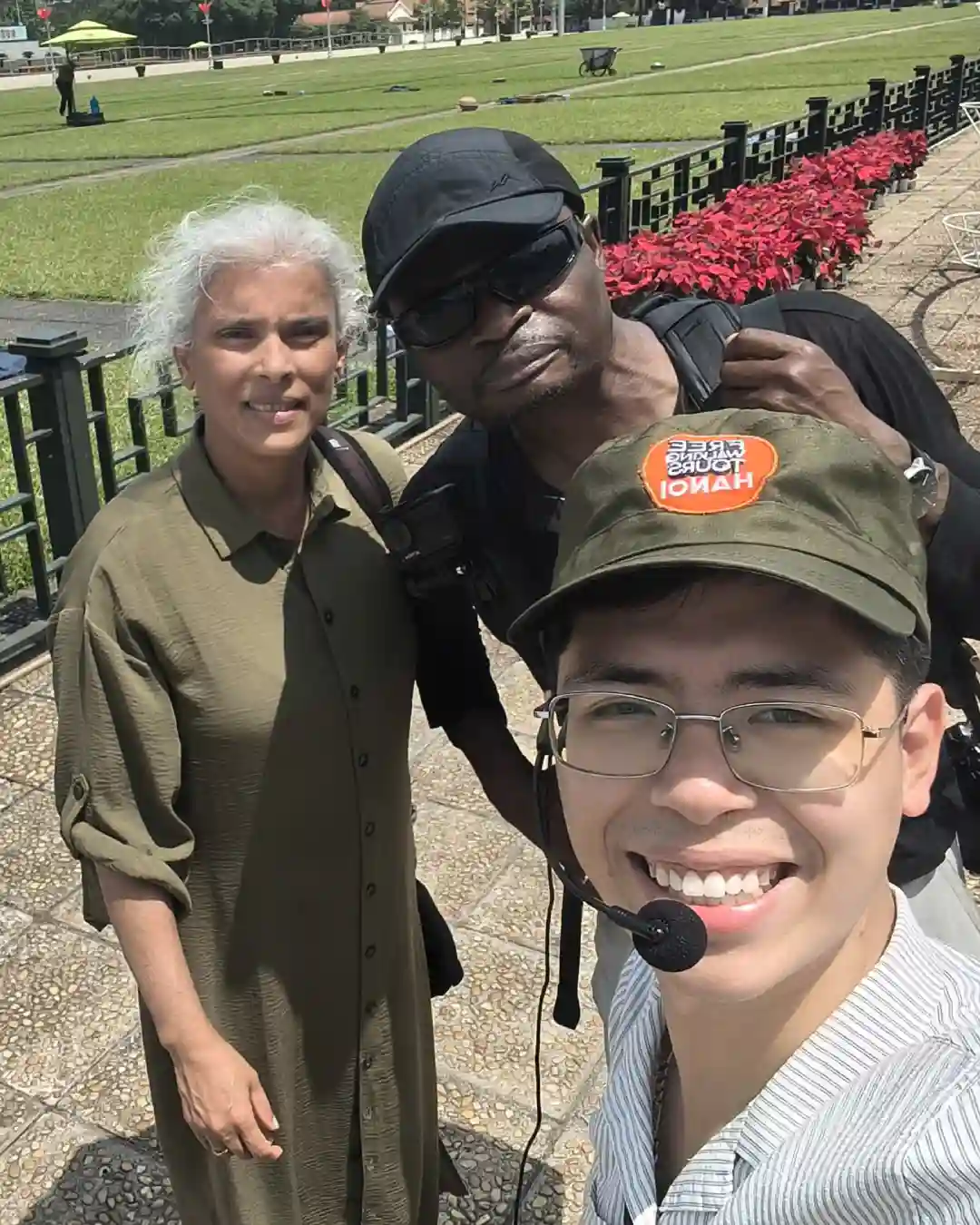
These photographs capture those small moments. They are not staged marketing images or professional shoots. They are simply snapshots of real people discovering Hanoi one street at a time.
Related