Ho Chi Minh Mausoleum Hanoi: Etiquette, Queues & Timing
Visit Ho Chi Minh Mausoleum with clear etiquette — dress code, queue reality, closed-day honesty and how to pair One Pillar Pagoda and the wider Ba Dinh half-day.
By Paul15 min readBa Dinh Square, Ba Dinh District, Hanoi
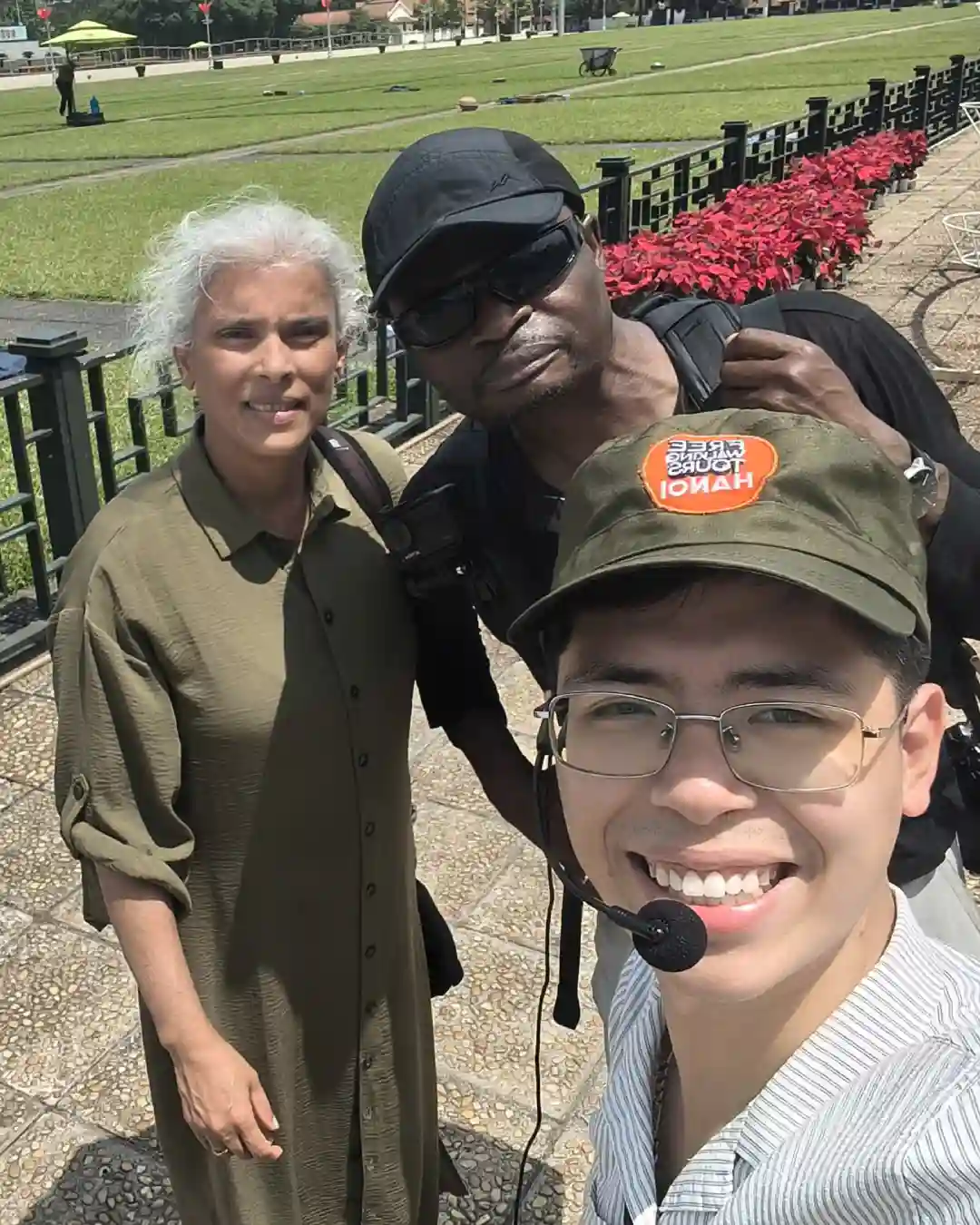
Introduction — answer first
Travellers search "Ho Chi Minh Mausoleum Hanoi hours dress code" because the site is free, famous, and easy to get wrong. You can waste a morning in shorts, arrive on a closed day, or miss the narrow viewing window while arguing about camera storage. See also our complete guide to visiting Hanoi.
Should you go? If Vietnam's twentieth-century story matters to you — colonialism, independence, war, reunification — yes. The mausoleum is living state ritual, not heritage theatre. If you dislike queues, silence mandates, or political memorials, skip honestly and spend the morning at Thang Long Imperial Citadel instead.
Paul's framing: "The mausoleum teaches collective behaviour — thousands whisper because rules say so. That discipline is part of the experience, not an annoyance to optimise away."
This guide covers queue reality, dress and prohibited items, closure honesty (what typically closes vs what you must verify), viewing hall etiquette, pairing with One Pillar minutes away, and how the mausoleum anchors our Ba Dinh district day guide.
History — from independence square to embalmed president
Ba Dinh Square and 1945
Ba Dinh Square predates the mausoleum as parade and ceremony ground. On 2 September 1945, Ho Chi Minh read independence prose derived from American and French revolutionary texts, asserting the Democratic Republic of Vietnam. The square name references a nineteenth-century resistance site — layered patriotism in one urban space.
Post-1954 partition, Ho led North Vietnam from Hanoi until his death 2 September 1969. Reunification in 1975 intensified Ho as national unifier in official narrative — mausoleum construction followed Soviet and Chinese models of leader preservation.
Mausoleum construction and design
The mausoleum opened 1975, granite facade, colonnaded portico, flagpole alignment on ceremonial axis toward One Pillar Pagoda and broader Ba Dinh master plan. Architects blended Soviet monumentalism with Vietnamese lotus motifs and local stone.
Ho's will reportedly requested cremation; political leadership chose preservation and display — know this tension if guides raise it. Respectful visitors need not debate aloud in queue.
Deep timeline: History of Thang Long and modern Hanoi.
Ho Chi Minh elsewhere in Hanoi
The complex includes or neighbours Ho Chi Minh Museum, Presidential Palace (exterior views), and Stilt House grounds where Ho lived simply — separate tickets and hours for some sections. Hanoi city tour bundles these; self-guided travellers often mausoleum only then walk to One Pillar.
Closure schedule — confirm locally (critical)
Do not fly to Hanoi assuming the mausoleum opens daily year-round. Patterns often reported (verify on arrival):
| Pattern | Typical report | Your action |
|---|---|---|
| Weekly rest days | Often Monday and Friday closed | Plan Ba Dinh for Tue–Thu or weekend |
| Annual maintenance | Roughly October–November multi-week closure for body maintenance | Check official notice or ask hotel |
| Tet and state funerals | Unscheduled closures | Read hotel lobby notices |
| Morning-only viewing | Last entry often ~10:30–11:00 | Queue early |
This article cannot guarantee 2026 dates. Confirm via:
- Hotel concierge phone call morning before
- Gate notice at complex
- Official government tourism channels in Vietnamese
If closed: pivot to Temple of Literature → Citadel → One Pillar per Ba Dinh day guide.
Queue process — step by step
Arrival and bag check
Join queue at designated entry on Hung Vuong side — follow staff and signs, not random tour leaders cutting lines. Security X-ray confiscates or stores:
- Cameras (sometimes phones — policies shift; assume strict)
- Food and drink
- Large bags
Wear minimal carry — passport copy, small wallet, water for after exit.
Dress inspection
Guards reject shorts, miniskirts, sleeveless shirts, flip-flops (sometimes), hats. Carry long trousers and shawl in day bag even if morning starts warm — rejection at gate wastes queue position.
Comparison — dress strictness across Ba Dinh:
| Site | Shorts | Shoulders | Hats | Shoes |
|---|---|---|---|---|
| Mausoleum hall | No | Covered | Off in hall | Closed toe preferred |
| One Pillar | Usually OK with modesty | Covered | OK outside | Remove in shrine |
| Temple of Literature | Often no | Covered | OK | OK |
| Citadel | Casual OK | Casual OK | OK | Walking shoes |
Dress to mausoleum standard once for whole morning.
Silent queue and pace
Staff enforce silence, single file, no phones visible in inner zones. Queue may move steadily — shuffling hundreds of visitors through chilled hall.
Children: allowed but must behave — loud kids pulled aside; parents embarrassed publicly.
Viewing hall
Brief passage past glass sarcophagus with Ho's body under dim light and honour guard. Do not stop, do not point, do not photograph. Emotional reactions vary — Vietnamese citizens often tearful; foreign visitors often sobered by scale of collective memory.
Total viewing seconds: roughly 30–60 — not a linger room.
Exit and camera retrieval
Collect stored items; Ba Dinh Square opens for exterior photos — flags, mausoleum facade, floral tributes acceptable.
Etiquette — respect without performance
- Voice off in queue and hall — whisper outside if needed
- No selfies in prohibited zones — guards confiscate phones temporarily
- Do not mimic honour guard for jokes — immediate ejection
- Vietnamese mourners — yield space; no tourist commentary on crying
- Political debates — save for café, not square
Anna notes: "Guests who treat guards as photo props get escorted out — they are ceremonial military, not staff in costume."
One Pillar Pagoda pairing — five minutes away, different mood
One Pillar Pagoda sits short walk north-west — lotus pavilion, Ly dynasty Buddhist legend, 20–35 minute visit. Sequence:
- Mausoleum queue first — time-critical
- One Pillar immediately after — before heat and bus peak
- Temple of Literature — deeper hour south-west
- Citadel — afternoon
Do not reverse mausoleum after long Van Mieu — you will miss morning window.
Walking One Pillar from mausoleum exit: 8–12 minutes through park paths — follow crowds Tuesday mornings.
Presidential Palace, stilt house, and museum — expand or skip
| Site | Focus | Time | Ticket |
|---|---|---|---|
| Mausoleum hall | Body viewing | 60–90 min with queue | Free |
| Ho Chi Minh Museum | Revolution narrative | 60–90 min | Paid — confirm locally |
| Stilt House & fish pond | Ho's residential austerity | 30–45 min | Often bundled ticket |
| Presidential Palace | French colonial facade | Exterior mainly | — |
Half-day Ba Dinh without museum is valid if citadel priority. Hanoi city tour selects highlights — read itinerary before booking.
Photography rules — outside yes, inside no
- Square and facade: wide shots fine; guards in frame OK from distance
- Queue and hall: prohibited — serious enforcement
- One Pillar after: compensate for architectural photos
Drone over Ba Dinh: assume no without permit.
Getting there and timing table
Grab to Ba Dinh Square / Ho Chi Minh Mausoleum — pin English name. Cyclo from Old Quarter possible but slow for early queue.
| Arrival time | Likely outcome | Notes |
|---|---|---|
| 06:45–07:15 | Front third of queue | Best summer strategy |
| 07:30–08:00 | Moderate wait | Still workable |
| 08:30–09:00 | Longer shuffle | Risk last-entry cutoff |
| After 10:00 | May be turned away | Assume failure |
| Monday / Friday | Often closed | Verify locally |
| Oct–Nov | Often annual closure | Verify locally |
Weekends and school group days swell queues — weekday wins.
Tours vs independent
Independent early queue: maximum control; you manage dress and closure checks.
Hanoi city tour: guide handles closure intel, bag storage coordination, One Pillar timing — worth it if Ba Dinh intimidates.
Hanoi city highlights walking tour: Old Quarter focus — not mausoleum unless customised; do not confuse products.
Heritage Old Quarter tour — separate geography; book Ba Dinh coach day separately.
Physical demands and accessibility
Standing in queue 30–60+ minutes without shade in sections — elderly and toddlers struggle. Limited wheelchair routes — call ahead via hotel for current policy; not all historical buildings adapted.
Chilled hall — bring layer if sensitive to cold after humid queue.
Mausoleum in Vietnamese national life
For many Vietnamese, visit is pilgrimage — school trips, government delegations, family offerings at square. Foreign visitors are welcome when rules honoured. Understanding Ho as symbol beyond biography helps — independence, anti-colonialism, wartime sacrifice, party legitimacy interwoven.
Academic nuance without debate in queue: History of Thang Long and modern Hanoi and French influences in Hanoi frame colonial context Ho reacted against.
Ba Dinh Square as public stage — beyond the queue
Understanding the mausoleum requires reading the square as theatre — parades, floral tributes, flag ceremonies, and foreign delegation wreaths happen on rhythms independent of tourist queue.
Independence Day and national holidays
2 September anniversary draws mass formations, rehearsals block adjacent roads days prior. Tourists during anniversary week should book hotels early and expect Grab detours. Viewing hall may suspend normal tourist queue for ceremonies — verify locally.
Floral tribute etiquette
Vietnamese citizens place fresh flower arrangements at designated zones — follow staff cones, do not step on wreath platforms for selfies. Foreign visitors not required to offer flowers — respectful observation suffices.
Flag raising at dawn
Military flag ceremony occurs on schedule some mornings — parallel to tourist queue but separate choreography. Do not cross rope lines to "get closer."
International visitor context — politics without argument
The mausoleum encodes Vietnamese Communist Party legitimacy and national reunification narrative. Foreign visitors hold diverse home-country histories with Vietnam — 1980s immigration waves, war memorial cultures, socialist travel curiosity.
Practical stance:
- Follow behaviour rules regardless of personal ideology
- Save debate for cafés, not square or queue
- Do not perform disrespect (mock salutes, inappropriate poses with guards) — legal and social consequences real
- Ask guides factual questions — biography, preservation science, architecture — avoid gotcha politics in front of local families mourning
Academic depth: biographies of Ho, 1954 Geneva, 1975 reunification, and French colonial Hanoi frame context without requiring agreement.
Security and prohibited items — expanded checklist
| Item | Typical rule | Tip |
|---|---|---|
| DSLR camera | Stored before hall | Leave at hotel if possible |
| Smartphone | Sometimes stored; policy shifts | Assume no phone visible inner zone |
| Backpack | Stored | Day-pack minimal |
| Water bottle | Consumed or discarded before inner queue | Hydrate after exit |
| Tripod | Prohibited | — |
| Hats/caps | Remove in hall | Sunglasses off |
| National flags (foreign) | Case-by-case | Do not wave in queue |
| Drones | Prohibited Ba Dinh airspace | Confiscation |
Receipt for stored items — keep paper; loss rare but panic if dropped.
Weather and comfort management
Summer heat queue
May–September queue sections lack shade — sunscreen, hat before gate (remove hat in hall), electrolyte sachet after exit. Collapse from heat happens — elderly sometimes exit queue voluntarily.
Winter chill transfer
November–February morning queue cool; hall cold — thin jacket in day bag. Layer under modest clothes.
Rain
Poncho better than umbrella in crowded shuffle — poke risk. Staff may pause queue during lightning — patience.
Post-mausoleum morning — energy management
After emotional hall exit, visitors feel adrift. Structured next steps prevent wandering wrong direction:
- Collect stored items — verify phone/camera
- Restroom — mausoleum sector facilities before One Pillar walk
- Water + banana — vendor near park path
- Walk One Pillar while feet still willing — delay breeds skip
If museum temptation appears, decide now — citadel vs museum trade-off explicit in Ba Dinh day guide.
Elderly travellers and mobility accommodations
Standing 45–90 minutes breaks some itineraries. Options:
- Skip body viewing, experience square and exterior — still Ba Dinh morning viable with One Pillar + Van Mieu
- Wheelchair policy — confirm via hotel phone day prior; not all historical buildings adapted uniformly
- Bench rest after exit before One Pillar walk — shade patches exist park-side
Family honesty: one adult queues, one adult rests with elder at café — reunite at One Pillar gate.
Ho Chi Minh's final rest — preservation science (visitor curiosity)
Travellers quietly ask how preservation works without voicing in queue. Brief factual frame:
- Body embalmed through joint Vietnamese-Russian technical cooperation historically — periodic maintenance closures (often reported October–November) refresh preservation
- Chilled hall protects chemical stability — explains cold and no-stop policy
- Will vs mausoleum reality — Ho's cremation wish documented; state chose Lenin-model display — understand tension without debating aloud at sarcophagus
Museum exhibits (optional) show more biographical nuance than hall silence allows.
Combining mausoleum with Temple of Literature same day — narrative thread
Mausoleum = twentieth-century socialist state founding myth. Van Mieu = premodern scholar-official merit. Same Ba Dinh district, 800 years apart:
| Theme | Mausoleum | Van Mieu |
|---|---|---|
| Leader type | Revolutionary father figure | Confucian sage-king ideal |
| Legitimacy | Independence, reunification | Exams, heaven's mandate |
| Visitor emotion | Awe, discipline | Curiosity, academic pride |
| Photography | Exterior only | Courtyards liberal |
Reading both same morning (via Ba Dinh day guide) is Hanoi's best history compression — Confucian influences primer helps.
Stilt house and fish pond — optional mausoleum complex extension
Adjacent Ho Chi Minh Stilt House (Nhà sàn) and fish pond show Ho's austere residential choice beside French Presidential Palace grandeur — 15-minute exterior loop even if interior closed.
| Element | Visitor takeaway |
|---|---|
| Stilt architecture | Rural northern house form in capital |
| Simple furniture | Anti-luxury political messaging |
| Palace backdrop | Colonial opulence rejected visually |
| Ticket | Often bundled — confirm booth |
Adds 30–45 minutes — trade against citadel if scheduling via Ba Dinh day guide.
Local expert insights
Paul: "I tell groups mausoleum is not optional patriotism — it's historical primary source. Feel what you feel; follow rules regardless."
Dinh: "Pockets empty before security — belt coins slow everyone."
Shaw: "If closed, don't sulk — citadel archaeology rewards same morning; reschedule mausoleum next day if trip length allows."
Queue psychology: Lines feel long but move — anxiety drops once shuffling starts.
Guard interaction: Hand gestures only; Vietnamese apology if you err — grace returned.
Closing — what to read next
The mausoleum is Hanoi's most formal visitor act — silence, dress, queue as curriculum. Continue the Ba Dinh arc:
- One Pillar Pagoda Hanoi — walk there next
- Ba Dinh district day guide — full half-day timing table
- Temple of Literature Hanoi — Confucian counterpoint same district
- Thang Long Imperial Citadel Hanoi — palace layers
- Confucian influences on Vietnamese culture — scholar ethics vs state memorial
Tours: Hanoi city tour · Hanoi city highlights walking tour
You visited well if you cleared security first try and if the viewing hall felt brief but weighty — not a photo opp missed.
FAQ — quick answers
Question: Is the Ho Chi Minh Mausoleum open today?
Answer: We cannot confirm from this page. Schedules change for weekly rest days, annual maintenance (often autumn), and holidays. Ask your hotel or check gate notice the morning you visit.
Question: What is the Ho Chi Minh Mausoleum dress code?
Answer: Modest, formal-leaning: covered shoulders, long trousers or skirts below knee, no hats in viewing hall, closed shoes preferred. No shorts.
Question: Can you take photos inside Ho Chi Minh Mausoleum?
Answer: No in queue and viewing hall. Exterior square photos allowed.
Question: How early should I arrive at Ho Chi Minh Mausoleum?
Answer: Before 07:30 on open days for shorter queue; 07:00 safer in peak season.
Question: How long does Ho Chi Minh Mausoleum take?
Answer: 60–90 minutes including queue and security; add 30–45 minutes for stilt house or museum if ticketed.
Question: Is Ho Chi Minh Mausoleum free?
Answer: Mausoleum hall viewing is free. Adjacent museum and house grounds may require paid tickets — confirm at booth.
Question: Can I visit mausoleum and One Pillar Pagoda same morning?
Answer: Yes — recommended order: mausoleum first, then One Pillar walk. See Ba Dinh district day guide.
Question: Which days is Ho Chi Minh Mausoleum closed?
Answer: Often Monday and Friday plus annual maintenance weeks — must confirm locally for your travel dates; do not rely on old blog posts.
Local tips
- →Arrive at Ho Chi Minh Mausoleum Hanoi at opening or late afternoon — Hanoi midday tour groups peak hard.
- →Pair Ho Chi Minh Mausoleum Hanoi with one nearby stop in the same district, not a city-wide scavenger hunt.
- →Group Ho Chi Minh Mausoleum Hanoi with nearby sights in the same Hanoi district to cut cross-town Grab time.
- →Walk to Ho Chi Minh Mausoleum Hanoi early; Hanoi heat and scooter density rise after 09:30.
Good to know
- Ho Chi Minh Mausoleum Hanoi ticket rules and camera policies can change — verify at the gate, not only in blogs.
- Shade and seating near Ho Chi Minh Mausoleum Hanoi are limited; carry water in warm Hanoi months.
- Near Ho Chi Minh Mausoleum Hanoi, Hanoi street vendors often need small cash even when hotels take cards.
- Tet and festival weeks change opening patterns for Ho Chi Minh Mausoleum Hanoi — verify that week’s hours.
Before you go
- Before you go: check whether Ho Chi Minh Mausoleum Hanoi closes for ceremonies or maintenance that week.
- Wear shoes you can remove quickly if Ho Chi Minh Mausoleum Hanoi requires it.
- Screenshot offline maps for the blocks around Ho Chi Minh Mausoleum Hanoi before you enter dense Hanoi lanes.
Common mistakes
- ✕Shorts at gate — Visit ends before it starts; no wardrobe rental reliable.
- ✕Ignoring closure days — Entire Ba Dinh plan collapses; verify twice.
- ✕Late arrival — 10:15 roll-up after travel blog said "open until noon."
- ✕Camera in pocket in hall — Confiscation drama.
- ✕Talking in queue — Staff shush loudly; embarrassment public.
- ✕One Pillar before mausoleum — Miss window; wrong sequence.
- ✕Combining museum + citadel + mausoleum without time budget — Rush ruins all three.
- ✕Disrespectful square behaviour — Sitting on forbidden zones, drone launch.
- ✕Expecting English everywhere — Signs partial; tour guide or this prep helps.
- ✕Skipping Ba Dinh day guide — Reinventing sequence poorly.
Practical information
- How to get there
- Ba Dinh Square area — Grab from Hoan Kiem about 10–15 minutes; arrive early for queues.
- Best time to visit
- Morning opening window on open days; always reconfirm hours and closure periods locally before you go.
- Suggested itinerary
- Mausoleum → One Pillar → Citadel or Literature Temple (Ba Dinh day guide).
- Nearby attractions
- One Pillar Pagoda
- Ba Dinh Square
- Imperial Citadel
- Temple of Literature
Frequently asked questions
- Is the Ho Chi Minh Mausoleum open today?
- We cannot confirm from this page. Schedules change for weekly rest days, annual maintenance (often autumn), and holidays. Ask your hotel or check gate notice the morning you visit.
- What is the Ho Chi Minh Mausoleum dress code?
- Modest, formal-leaning: covered shoulders, long trousers or skirts below knee, no hats in viewing hall, closed shoes preferred. No shorts.
- Can you take photos inside Ho Chi Minh Mausoleum?
- No in queue and viewing hall. Exterior square photos allowed.
- How early should I arrive at Ho Chi Minh Mausoleum?
- Before 07:30 on open days for shorter queue; 07:00 safer in peak season.
- How long does Ho Chi Minh Mausoleum take?
- 60–90 minutes including queue and security; add 30–45 minutes for stilt house or museum if ticketed.
- Is Ho Chi Minh Mausoleum free?
- Mausoleum hall viewing is free. Adjacent museum and house grounds may require paid tickets — confirm at booth.
- Can I visit mausoleum and One Pillar Pagoda same morning?
- Yes — recommended order: mausoleum first, then One Pillar walk. See Ba Dinh district day guide.
- Which days is Ho Chi Minh Mausoleum closed?
- Often Monday and Friday plus annual maintenance weeks — must confirm locally for your travel dates; do not rely on old blog posts.
From the road
Related real moment
A photo journal from Hanoi — not a traveller review, and not proof that every detail in this guide happened on that walk.
Related content
Knowledge hub
Hanoi Landmarks →Historic landmarks, temples, markets and iconic places that define Hanoi.
Destination hub
Hanoi →Related stories
- One Pillar Pagoda Hanoi: Symbolism & Quick Visit GuideVisit One Pillar Pagoda the right way — short stop, lotus symbolism, photo etiquette and the essential pairing with Ho Chi Minh Mausoleum on a Ba Dinh morning.
- Thang Long Imperial Citadel Hanoi: UNESCO Visit GuidePlan a visit to Thang Long Imperial Citadel — UNESCO layers, on-site route, timing and how to pair it with Ba Dinh's mausoleum, One Pillar and Temple of Literature half-day.
- Temple of Literature Hanoi: Vietnam's First UniversityVisit the Temple of Literature — courtyard sequence, tickets, dress code, photo etiquette and how Confucian heritage connects to a practical Ba Dinh half-day.
- Ba Dinh District Day Guide: Mausoleum to Citadel Half-DayRun Ba Dinh as a half-day route — Ho Chi Minh Mausoleum, One Pillar Pagoda, Temple of Literature and Thang Long Citadel — with timing tables and links to each entity guide.
- Complete Guide to Visiting Hanoi (2026)The ultimate 2026 cornerstone guide to Hanoi — how many days, top sights, neighbourhoods, food, transport, itineraries, safety, budget and day trips from local experts.
- Best Time to Visit Hanoi: Complete Seasonal GuideWhen to visit Hanoi — month-by-month weather, rainy season, festivals, walking tours, food seasons and packing advice from local tour operators who work the city year-round.