Sapa vs Pu Luong: Which Mountain Escape from Hanoi
Compare Sapa and Pu Luong for trekking from Hanoi — altitude, crowds, homestays, weather risk and which overnight product fits your energy.
By Anna15 min readSapa & Pu Luong, Vietnam
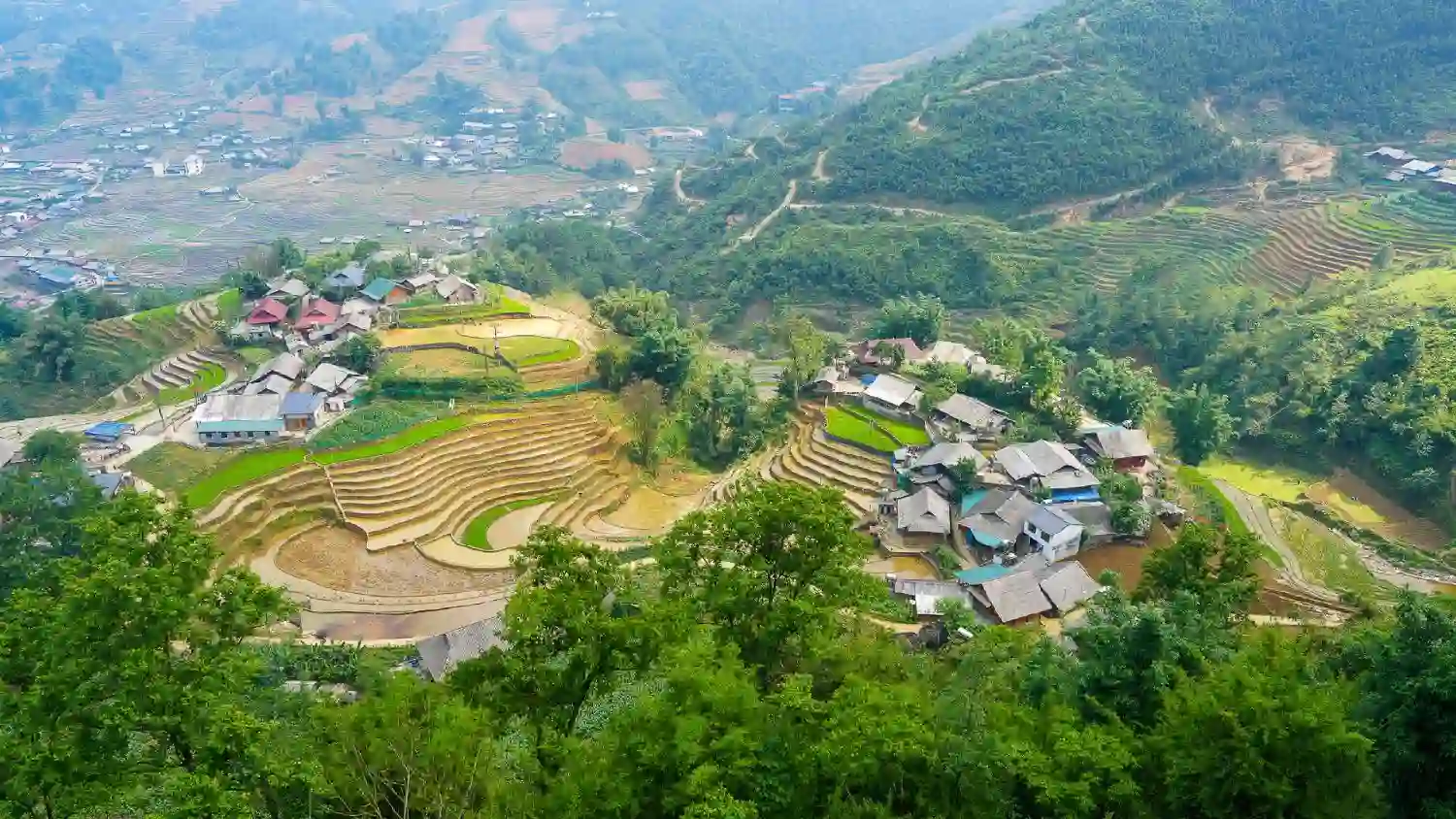
Introduction — answer first
Travellers ask: "Sapa or Pu Luong — which terrace destination should I choose?" Choose Sapa if you want established trekking, homestay options, Fansipan cable car access, and a tourism town with hotels and cafes — accept higher crowd density and cooler mountain weather. Choose Pu Luong if you want multi-night valley quiet, bamboo water wheels, and homestay meals without Sapa's commercial trekking scene — accept longer road transfer and simpler infrastructure. They are not interchangeable: Sapa is mountain hub tourism; Pu Luong is valley slow travel.
This page is comparison journalism — not duplicate of Sapa guide or Pu Luong guide. For frontier loop alternative to Sapa, read Sapa vs Ha Giang. For weather depth, Sapa weather and best time and Pu Luong best time to visit.
The core difference — mountain hub vs valley retreat
Sapa character
Tourism town at 1,500m elevation — hotels, trekking agencies, Fansipan cable car, Hmong and Dao villages within day-trek radius. Infrastructure mature; ATM; cafes; cold winters possible near freezing.
Signature experiences: Muong Hoa valley guide treks, Sapa homestay guide nights, Cat Cat village, Fansipan summit (cable or climb).
Time shape: Minimum 2 days 1 night — Sapa trekking tour 2D1N. Three nights allows weather buffer per Sapa weather.
Pu Luong character
Valley reserve lower elevation — terrace agriculture, bamboo water wheels, Thai and Muong homestays, forest hikes. Tourism lighter; fewer trek sellers; warm evenings relative to Sapa winter.
Signature experiences: Pu Luong rice terraces guide, homestay guide cooking, waterfall walks (seasonal).
Time shape: Minimum 2 days 1 night; 3D2N editorial sweet spot — Pu Luong tour 3D2N from Hanoi.
Emotional register comparison
| Feeling | Sapa | Pu Luong |
|---|---|---|
| Scale | Alpine mist, deep valleys | Layered middle hills |
| Pace | Trek step; town recovery | Homestay clock |
| Comfort | Hotel tiers wide | Ecolodge or basic homestay |
| Tourism type | Established trekking groups | Small van tours |
| Weather risk | Cold rain mud treks | Warm rain trail mud |
| Ethnic culture | High visibility trekking routes | Village meals quieter |
Anna: Sapa is terrace theatre with audience; Pu Luong is terrace living room.
Time budget decision tree
You have TWO terrace days (one overnight outside Hanoi)
Pick Sapa 2D1N OR Pu Luong 2D1N — depends on mountain vs valley preference.
| Profile | Pick |
|---|---|
| Want iconic Muong Hoa photos | Sapa trekking 2D1N |
| Want water wheels and quiet | Pu Luong 2D1N — see Pu Luong guide |
| Cold-sensitive | Pu Luong milder Dec–Feb |
| Fansipan summit goal | Sapa cable car |
You have THREE to FOUR terrace days
Sapa 3 nights slow trek OR Pu Luong 3D2N — tour product.
Paul: Do not Sapa 2D1N AND Pu Luong 2D1N back-to-back without Hanoi buffer — leg and van exhaustion.
You have ONE week total north including Hanoi
Pick ONE terrace destination — Sapa or Pu Luong — plus Hanoi and optional Ninh Binh or bay. Both terrace chapters compress capital unfairly.
Cross-read Sapa vs Ha Giang if motorbike loop tempts instead of Pu Luong.
Transfer realism from Hanoi
| Destination | Typical one-way | Mode | Editorial note |
|---|---|---|---|
| Sapa (overnight train + van) | 8–9 hours door-to-door | Sleeper train popular | Saves daylight |
| Sapa (highway bus direct) | 5–6 hours | Reclining bus | Faster, less romance |
| Pu Luong (van tour) | 4–5 hours | Direct mountain road | No train option |
Sapa transfer: Overnight train Lao Cai → Sapa van classic — book berths peak season early.
Pu Luong transfer: Morning depart Hanoi, midday arrival valley — afternoon walk first day.
Dinh: Do not fly into Hanoi morning and start either destination same calendar day — jet lag plus mountain road compounds.
Shaw: Sapa train + Pu Luong van same week — fine with Hanoi reset between; not same day chain.
Season behaviour — when each side wins
Cross Sapa weather and best time and Pu Luong best time to visit:
September–November
Editorial favourite both — harvest gold terraces, clear skies improving. Book Sapa trains and Pu Luong homestays early — peak domestic travel.
December–February
Sapa cold — near freezing possible; frost photos dramatic. Pu Luong cooler but milder — pack layers per what to pack for northern Vietnam.
March–May
Green transplant season — neon rice both regions. Rain begins — trek mud Sapa; Pu Luong trail slip.
June–August
Rain daily pattern Sapa — treks run with poncho; views clouded. Pu Luong humid with afternoon storms — still viable with flexible itinerary.
| Season | Sapa note | Pu Luong note |
|---|---|---|
| Sep–Nov | Harvest gold Muong Hoa | Golden terraces peak |
| Dec–Feb | Cold mist; jacket essential | Misty; less alpine chill |
| Mar–May | Green mirrors | Water wheels photogenic |
| Jun–Aug | Cloudy treks | Mud paths; fewer crowds |
Fitness and experience requirements
Sapa fitness profile
Moderate — day treks 8–15 km valley floor; homestay routes steeper. Cable car eliminates climb to Fansipan summit.
| Trek type | Fitness |
|---|---|
| Cat Cat half-day | Light |
| Muong Hoa valley full day | Moderate |
| 2D1N homestay trek | Moderate sustained |
| Fansipan multi-day climb | High |
Book: Sapa trekking tour 2D1N.
Pu Luong fitness profile
Light to moderate — village walks 5–10 km; optional ridge hikes 3D2N. No alpine altitude stress.
| Activity | Fitness |
|---|---|
| Viewpoint drives | Light |
| Half-day village walk | Light–moderate |
| Full-day waterfall trek | Moderate |
Ethical note: Read Sapa ethnic minorities guide before village visits — both destinations require respectful photography and consent.
Crowds and tourism ethics
Sapa crowds: Weekends and holidays Muong Hoa paths busy — homestay villages see repeat trekking traffic. Choose weekday arrivals when possible.
Pu Luong crowds: Weekends ecolodge fill; weekdays valley quiet returns. Less aggressive souvenir selling than Sapa town.
Paul: If tourism fatigue already high in Hanoi Old Quarter, Pu Luong heals; Sapa adds new commercial layer.
Neither replaces reading Sapa homestay guide and Pu Luong homestay guide for overnight expectations.
Cost shape — ranges only, confirm locally
| Cost layer | Sapa 2D1N trek | Pu Luong 3D2N |
|---|---|---|
| Bundled tour/person | USD 90–180 | USD 180–280 |
| Train sleeper (if separate) | USD 15–40 berth | N/A — van included |
| Hotel/homestay tier | Wide range | Ecolodge premium |
| Extras | Tips guides, cable car | Waterfall, beer |
| Food | Often included trek packages | Homestay meals included |
Budget travellers: Sapa DIY bus + homestay possible — confirm guide ethics locally.
Comfort seekers: Sapa four-star town hotels exist; Pu Luong ecolodge private bath worth premium for some.
Always confirm inclusions — "trekking tour" mileage varies.
Photography priorities
Sapa shots: Muong Hoa layers, mist breaks, Hmong textile colour, Fansipan cloud sea (luck dependent).
Pu Luong shots: Water wheels, buffalo on dykes, smoke from homestay roofs, terrace curves morning light.
Cross what to pack for northern Vietnam — rain gear both destinations June–August.
Anna: Sapa needs weather luck for clarity; Pu Luong rewards patience at slower shutter speed of travel.
Combining with other north chapters
Sapa + Ha Long — common first-timer week — tight per 7-day northern Vietnam itinerary.
Pu Luong + Ninh Binh day — complementary — karst day then valley 2D1N.
Sapa + Pu Luong same trip — only twelve-plus days with Hanoi buffers — most choose one terrace pole.
For mountain fork beyond Pu Luong, read Sapa vs Ha Giang — frontier loop vs terrace hub.
Homestay reality check
Sapa homestays: Often marketing homestay — private rooms, shared meals, trekking group arrival together. Cold nights — blankets provided; confirm heating locally.
Pu Luong homestays: More rural — shared bathroom common; electricity stable most lodges; phone signal patchy.
Dinh: Book homestay tier honestly — lowest price sometimes means crowded dorm and early van depart.
Train romance vs van direct — Sapa access choices
Overnight train Hanoi → Lao Cai — Editorial favourite for atmosphere — berths 4- or 6-person; soft sleeper worth premium peak season. Arrive Lao Cai dawn, van Sapa 1 hour — breakfast town check-in.
Highway bus direct Sapa — 5–6 hours daytime — faster, less romance — viable tired travellers or summer train heat avoidance.
Pu Luong has no train — Van only from Hanoi 4–5 hours — no sleeper alternative; read Pu Luong homestay guide for arrival day expectations.
Shaw: Train delay plus Sapa trek same calendar day — avoid; rest half-day town acclimatisation especially winter cold.
Cross planning your trip to Hanoi for train booking window relative to landscape sequence.
Accessibility and mobility comparison
Sapa: Cable car Fansipan accessible summit option; town steep stairs; treks not wheelchair standard — private trek routing sometimes shortens distance — confirm guide locally.
Pu Luong: Ecolodge drives to viewpoints accessible; village paths uneven stone; homestay stairs common — lower altitude eases breathing vs Sapa winter.
Comparison: Limited mobility travellers often prefer Pu Luong ecolodge base with minimal walking over Sapa trek marketing — neither fully accessible industry-wide; set expectations honestly.
Paul: Mobility question redirects decision faster than terrace Instagram comparison.
Repeat visitor logic
Done Sapa, not Pu Luong: Pu Luong 3D2N — valley quiet contrasts Sapa commercial trekking memory.
Done Pu Luong, not Sapa: Sapa trekking 2D1N — Muong Hoa iconography still worth first Sapa chapter — Muong Hoa valley guide.
Done both: Consider Ha Giang loop per Sapa vs Ha Giang — third mountain grammar.
Dinh: Do not assume one terrace destination represents all north mountains — Sapa, Pu Luong, and Ha Giang three different sentences.
Nightlife, dining, and evening rhythm
Sapa town evenings: Cafe and barbecue street active — tourism town recovery after trek — ATM and bakery next morning trek departure. Read Sapa homestay guide if sleeping village not town.
Pu Luong evenings: Dark valley quiet — homestay dinner early, firefly season summer, limited bar scene — ecolodge bar sometimes only option. Pack headlamp for path toilet runs.
Comparison: Sapa suits social evening energy after trek; Pu Luong suits digital detox intent — pick accordingly with travel partner expectations aligned.
Anna: Couple disagreement on evening pace — common hidden fork behind Sapa vs Pu Luong debates.
Cross Hanoi street food culture before leaving capital — neither destination matches Hanoi breakfast pho depth.
Budget and booking channel comparison
Sapa budget path: Direct bus Lao Cai + self-book homestay — possible experienced travellers — USD 40–80 total 2D1N excluding food — confirm guide ethics if trekking unguided. Packaged trek — Sapa trekking 2D1N — USD 90–180 — simpler logistics.
Pu Luong budget reality: Homestay tours bundled — DIY public transport difficult — valley spread requires local motorbike knowledge. Lowest tour tier USD 120–150 2D1N — confirm bathroom and meal inclusions.
Mid-range comfort: Sapa hotel + day trek à la carte — flexible. Pu Luong ecolodge 3D2N — USD 220–320 bundled editorial range — confirm locally.
Shaw: False economy booking Sapa without guide on unfamiliar trail — rescue costs exceed guided package difference.
Always confirm deposit and cancellation — both destinations weather-affected — read Sapa weather and Pu Luong best time before non-refundable peak-season pay.
Closing — two terrace grammars
Sapa and Pu Luong are not competitors — they are mountain hub vs valley retreat on the same northern rice narrative. First terrace chapter with trekking infrastructure? Sapa. Multi-night quiet without alpine chill? Pu Luong 3D2N. One week north? Pick one, protect Hanoi depth, and save the other for return trip — or read Sapa vs Ha Giang if frontier roads call louder than either valley.
Read next: Sapa guide · Pu Luong guide · Muong Hoa valley guide · Pu Luong rice terraces guide · Sapa weather and best time · 7-day northern Vietnam itinerary
Book: Sapa trekking tour 2D1N · Pu Luong tour 3D2N from Hanoi
FAQ — quick answers
Question: Sapa or Pu Luong — which is better?
Answer: Neither is universally better. Choose Sapa for established trekking and Muong Hoa iconography; choose Pu Luong for quieter multi-night valley homestays. One week north: pick one.
Question: Is Pu Luong less touristy than Sapa?
Answer: Generally yes — lighter infrastructure and fewer trekking sellers. Sapa weekends still crowded on main paths; Pu Luong weekdays especially quiet.
Question: Can I visit Sapa and Pu Luong in the same trip?
Answer: Yes with twelve-plus days and Hanoi buffers between. One-week trips should pick one terrace destination — see 7-day itinerary.
Question: Which has better weather?
Answer: Depends on month. Both peak September–November harvest. Sapa colder Dec–Feb; Pu Luong milder same months. Summer rain affects both — read Sapa weather and Pu Luong best time.
Question: Which is cheaper?
Answer: Sapa 2D1N often lower entry than Pu Luong 3D2N — DIY bus options Sapa side. Exact prices fluctuate; confirm locally.
Question: Which is better for families?
Answer: Sapa — hotel tiers, cable car, shorter walks available. Pu Luong homestay simplicity suits older kids tolerant of van time — read homestay guides.
Question: Which transfer is easier from Hanoi?
Answer: Pu Luong slightly shorter door-to-door (4–5h van). Sapa overnight train saves day time but needs berth booking — both manageable with tour operators.
Question: I already chose Ha Giang — do I need Sapa or Pu Luong?
Answer: No — one mountain chapter enough. Read Sapa vs Ha Giang — loop vs terrace hub; adding Pu Luong same trip only if twelve-plus days.
Local tips
- →One terrace chapter per week — Sapa OR Pu Luong unless twelve-plus days.
- →Sapa: book train berths before trek package — Peak September–October sells out.
- →Pu Luong: minimum 3D2N for rhythm — 3D2N tour editorial sweet spot.
- →Pack rain layer both — Mountain and valley both wet June–August — packing guide.
Good to know
- Sapa vs Pu Luong is a fork, not a ranking of moral worth — both sides can be excellent trips.
- Tour inventory differs: some Sapa products exist on one side of Sapa vs Pu Luong only.
- Sapa weather flips in hours — pack a compact shell even in “dry” months for Sapa vs Pu Luong.
- Cash still wins in Muong Hoa and Cat Cat stalls linked from Sapa vs Pu Luong — ATMs cluster in town.
Before you go
- Before you go: write your top two constraints (days, fitness, kids) above Sapa vs Pu Luong.
- Share Sapa vs Pu Luong with your booking partner so the deposit matches the chosen fork.
- Confirm trek grade and village overnight with your Sapa operator the day before Sapa vs Pu Luong.
Common mistakes
- ✕Both Sapa and Pu Luong in one week — Exhausting; pick one terrace story.
- ✕Sapa day trip only from Hanoi — Train math needs overnight; shortchange treks.
- ✕Pu Luong 1 night only — Transfer ratio poor; extend to 3D2N.
- ✕Ignoring Sapa winter cold — Sandals fail December; pack per what to pack.
Practical information
- How to get there
- See Getting there / planning sections in the article body.
- Best time to visit
- Follow seasonal and daily timing advice in the Quick Facts and body.
- Suggested itinerary
- Use the itinerary and pairing sections in the article, then book related tours if logistics are heavy.
- Nearby attractions
- Related destination hubs
- Hanoi planning Stories
- Northern Vietnam itinerary
Frequently asked questions
- Sapa or Pu Luong — which is better?
- Neither is universally better. Choose Sapa for established trekking and Muong Hoa iconography; choose Pu Luong for quieter multi-night valley homestays. One week north: pick one.
- Is Pu Luong less touristy than Sapa?
- Generally yes — lighter infrastructure and fewer trekking sellers. Sapa weekends still crowded on main paths; Pu Luong weekdays especially quiet.
- Can I visit Sapa and Pu Luong in the same trip?
- Yes with twelve-plus days and Hanoi buffers between. One-week trips should pick one terrace destination — see 7-day itinerary.
- Which has better weather?
- Depends on month. Both peak September–November harvest. Sapa colder Dec–Feb; Pu Luong milder same months. Summer rain affects both — read Sapa weather and Pu Luong best time.
- Which is cheaper?
- Sapa 2D1N often lower entry than Pu Luong 3D2N — DIY bus options Sapa side. Exact prices fluctuate; confirm locally.
- Which is better for families?
- Sapa — hotel tiers, cable car, shorter walks available. Pu Luong homestay simplicity suits older kids tolerant of van time — read homestay guides.
- Which transfer is easier from Hanoi?
- Pu Luong slightly shorter door-to-door (4–5h van). Sapa overnight train saves day time but needs berth booking — both manageable with tour operators.
- I already chose Ha Giang — do I need Sapa or Pu Luong?
- No — one mountain chapter enough. Read Sapa vs Ha Giang — loop vs terrace hub; adding Pu Luong same trip only if twelve-plus days.
Related content
Destination hub
Sapa →Related stories
- Sapa vs Ha Giang: Which Northern Mountain Trip to ChooseCompare Sapa trekking with the Ha Giang Loop — effort, scenery type, nights required, weather risk and which HanoiTravelMate tours fit each choice.
- Sapa Day Trek vs Overnight: Which Trek to BookChoose between a Sapa day trek and an overnight homestay trek — calendar fit, knees, Muong Hoa depth and when fog rewards the extra night.
- Ninh Binh vs Sapa: Karst Day Trip or Mountain TrekChoose between Ninh Binh karst and Sapa mountains when you have one landscape slot north of Hanoi — calendar, fitness and tour fit.
- Sapa Guide: Trekking, Homestays & Mountain WeatherPlan Sapa from Hanoi — trek grades, cable car trade-offs, homestay etiquette, foggy-weather honesty and how many nights you need before comparing Sapa with Ha Giang.
- Sapa Weather and Best Time to Visit for TrekkingChoose when to trek Sapa — month-by-month weather, rice terrace colours, fog risk and which tour length fits each season from Hanoi.
- Muong Hoa Valley Guide: Sapa's Classic Trekking CorridorTrek Muong Hoa Valley near Sapa — Lao Chai, Ta Van and Giang Ta Chai pacing, terrace views, day versus overnight options and how the valley fits northern itineraries.