Sapa Ethnic Minorities Guide: Hmong, Dao & Tay Culture for Travelers
Meet Hmong, Dao and Tay communities around Sapa with respectful etiquette — markets, trekking encounters, photography consent and what guided treks actually include.
By Anna15 min readSapa, Lao Cai, Vietnam
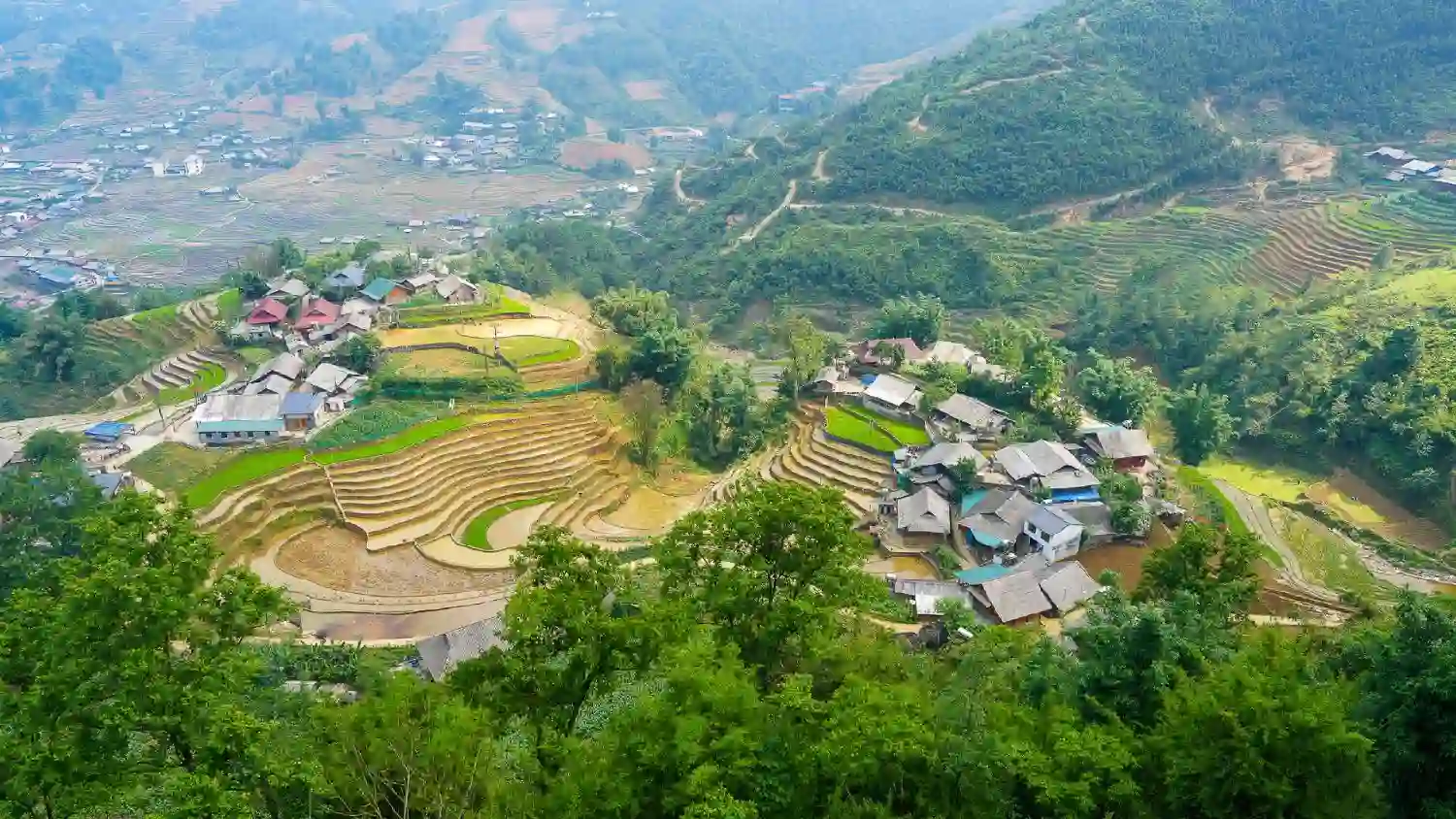
Introduction — answer first
Travellers ask: "Who are the ethnic minorities in Sapa, and how do I visit their villages without being disrespectful?" Sapa district is home primarily to Hmong, Dao (Yao), Tay, Giay, and Xa Pho communities — each with distinct language, dress, and spiritual practice — and the respectful default is guided treks or homestays that employ local families rather than self-directed village tourism. This page covers cultural encounter ethics and group identity — not train logistics (Sapa guide), not frost calendars (Sapa weather), not homestay booking mechanics (see Sapa homestay guide when published in your reading path).
Minority culture in Sapa exists inside a tourism economy — understanding that tension honestly makes you a better guest than romantic "untouched tribe" fantasies.
Who lives in Sapa — groups and geography
Black Hmong (H'Mông)
The most visible group on standard trekking routes — indigo-dyed hemp clothing, heavy silver jewellery, distinctive dialect. Villages scatter across Muong Hoa Valley slopes and highland communes. Agriculture: maize, rice terraces, vegetable gardens. Hmong New Year (Nov–Dec lunar) brings festival dress — not daily costume for tourist convenience.
Language: Hmong — Vietnamese second language common near town; English rare outside guide families.
What travellers notice: Handicraft sellers on trails — embroidered bags, hemp textiles. Commerce is economic survival, not performance art.
Red Dao (Dao Đỏ / Yao)
Recognisable by red triangular headscarf and indigo jackets with embroidered borders. Dao communities often occupy mid-slope villages — Ta Phin valley famous for herbal bath tradition (commercialised in town; village context differs). Spiritual practice includes ancestor veneration and herbal medicine knowledge — not open-air museum exhibits.
Respect note: Red headscarf is cultural identity — do not ask to wear one for photos unless invited in specific festival context.
Tay
Valley-floor and riverside stilt-house communities — Muong Hoa Valley Tay villages appear on multi-day treks. Tay language distinct from Hmong; wet-rice expertise on lower terraces. Tay homestays common — wooden houses, fish ponds, motorbike access closer than high Hmong hamlets.
Giay, Xa Pho, and smaller groups
Less frequent on standard tourist treks but present in district — Xa Pho near Ta Giang Phin, Giay in lower valleys. Guides on Sapa trekking tour 3 days 2 nights sometimes route through Giay hamlets on extended itineraries.
History and context — beyond the postcard
French colonial ethnography legacy
Colonial administrators catalogued "hill tribes" — categories simplified complex identities. Modern Vietnam recognises 54 ethnic groups nationally; Sapa concentrates a subset. "Minority" is not monolith — Hmong clans (Black, Flower, etc.) differ internally.
Tourism's double edge
Since 1990s Sapa tourism boom:
- Income: Guiding, homestays, handicraft sales fund schooling and healthcare
- Pressure: Children skip school to sell on trails; commodified "traditional" dress daily instead of festival-only
- Land: Terrace agriculture competes with hotel sprawl on valley floor
Anna's editorial stance: your spending choices matter — book ethical operators, buy directly from makers when quality genuine, decline exploitative photo setups.
Market day rhythm
Weekly markets (Bac Ha Sunday famous but farther; local Sapa district markets rotate) — minority groups trade produce, livestock, textiles. Markets are functional commerce, not solely photo safaris. Ask before close portraits; expect movement and bargaining.
Cross-read Sapa guide for town vs village geography — this page stays culture-encounter focused.
Encounter modes — how to meet communities respectfully
Guided trekking (editorial default)
Sapa trekking tour 2 days 1 night, 3 days 2 nights, and countryside walking tour employ local Hmong or Dao guides who:
- Translate greetings and customs
- Route through villages with prior relationship
- Explain terrace agriculture and seasonal work
- Mediate photography requests
Price context: Multi-day treks 1,500,000–3,500,000 VND per person range depending group size and homestay inclusion — confirm locally. Guide fee supports guide's family — tipping optional but appreciated (50,000–200,000 VND range — confirm locally).
Homestays
Sleeping in minority homes — see dedicated Sapa homestay guide for booking mechanics. Cultural layer here: you are guest in active household — meal times, bathroom logistics, and early morning farm work continue regardless of your sleep preference.
Self-guided village walks (discouraged default)
Walking into villages without guide or invitation creates awkward surveillance dynamic — residents become unwilling subjects. Exceptions: valley paths with clear public right-of-way where locals expect through-traffic — still photograph with restraint.
Paul rejects "I read a blog and found the village" independence for first visits — relationship tourism requires introduction.
Dress, textiles, and handicrafts — what you are seeing
Indigo hemp Hmong textiles
Traditional dye process uses indigo fermentation — deep blue-black colour fades beautifully over years. Bags, jackets, and skirts sold on trails range from hand-embroidered (higher price) to machine-assisted (lower) — ask guide if authenticity matters to you.
Price range: Small bags 100,000–300,000 VND; larger jackets 500,000–1,500,000 VND — bargain at markets, less on isolated trail where seller walked hours.
Dao embroidery
Red-bordered sleeves, coin-button vests — intricate stitch work. Herbal bath kits sold in Ta Phin tourism shops — village-sourced vs factory-packaged varies; confirm with guide.
Tay woven textiles
Simpler market presence than Hmong — bamboo and rattan goods common.
Buying ethics
| Situation | Recommendation |
|---|---|
| Trail seller follows 30 minutes | Polite firm "không, cảm ơn" — no obligation |
| Child seller | Decline purchase — incentivises school skip (Anna firm) |
| Homestay host sells | Fair price without aggressive haggle — relationship context |
| Market stall | Negotiate respectfully — starting price not insult |
Spiritual life and sacred space
Ancestor altars and house spirits
Minority homes often maintain household altars — photography of altar rooms without permission is offensive. Guides signal when rooms are private.
Forest and water spirits
Certain groves, springs, and stones carry taboo status — local guides know not to picnic on specific plots. Follow guide instruction without debate.
Christian and syncretic practice
Some Hmong communities converted to Protestant Christianity — church services Sunday mornings in certain communes. Do not treat services as tourist events unless invited by community leadership.
Language and greeting — minimum effort rewarded
Learn these before trek:
| Phrase | Meaning | Use |
|---|---|---|
| Xin chào | Hello (Vietnamese) | Universal baseline |
| Nyob zoo | Hello (Hmong) | Guides teach pronunciation |
| Cảm ơn | Thank you | After meals, purchases |
| Không | No | Decline purchase politely |
Do not mock tonal difficulty — attempt earns warmth; laughter at your accent should be received gracefully.
Cross-read Vietnamese etiquette for travelers for broader greeting hierarchy — elders deserve slight bow or lowered gaze.
Photography ethics — the line between document and extraction
Ask first
Always before portrait — gesture or verbal ask. Many sellers agree in exchange for purchase — their choice, not yours to assume.
Children
Anna's hard rule: no close child portraits without parent present and consenting — school-age trail sellers are working, not cute backdrop.
Telephoto ambush
Shooting from distance without consent violates trust small communities remember — guides blacklist rude photographers informally.
Festival exception
New Year and wedding celebrations may welcome photography — follow local lead, not other tourists' behaviour.
Drone
Village drone flights disrupt livestock and privacy — largely unwelcome; assume prohibited unless operator confirms with commune permission.
Trekking commerce — understanding trail sellers
Hmong women and girls selling on Muong Hoa and Lao Chai paths is visible reality — not "fake poverty" nor "authentic untouched life." Economic logic:
- Terrace farming income seasonal
- Tourism path = market channel
- English phrases ("buy from me") learned as sales skill
Traveller response options:
- Buy if quality and price fair
- Decline politely without guilt
- Never touch merchandise aggressively then walk away — damages next traveller's welcome
Dinh notes: same seller may walk 10 km daily — respect physical labour even when declining purchase.
Seasonal cultural calendar — not weather, but rhythm
Cross-reference months via Sapa weather and best time for trekking feasibility; cultural events add:
| Period | Event | Traveller note |
|---|---|---|
| Lunar Nov–Dec | Hmong New Year | Festival dress, gatherings — respect private family events |
| Spring planting | Terrace work | Villages busy — less idle chat time |
| September harvest | Golden terraces | Photography peak — labour intensive for residents |
| Weekly markets | Rotating | Commerce + social hub — not performance |
Gender and interaction norms
- Direct eye contact with elders — moderate, not stare
- Physical contact — avoid unless handshake offered
- Alcohol offers — homestay rice wine toasts common — sip respectfully or decline with smile
- Solo female travellers — guided treks recommended; see Sapa guide safety section for town context
Integration with longer itineraries
7-day northern Vietnam itinerary typically allocates 2–3 Sapa nights — minimum for one guided trek plus town acclimatisation. Rushing one-night train-up-train-down reduces cultural encounter to Cat Cat souvenir shop — Anna rejects as "Sapa checkbox."
Pack for village conditions: what to pack for northern Vietnam — modest clothing, rain shell, gift-free policy (donations via ethical operators preferred over random candy distribution to children).
Hmong clan structure — why "Black Hmong" is not one village
Black Hmong subdivide into clans (ho) with distinct surnames and marriage rules — travellers hear names like Ly, Vue, or Thao on guides' introductions. Clan identity shapes funeral practice, bride price negotiation, and festival guest lists — not visible on a two-hour trail walk but explains why two neighbouring hamlets may not intermarry. Guides from Sapa trekking tour 3 days 2 nights sometimes explain clan context at homestay dinner — worth asking if anthropology interests you.
Dao communities similarly maintain lineage taboos — certain foods avoided on ancestor commemoration days. You will not memorise rules; follow guide cues when offered food or asked to sit specific bench position at meal.
Paul's mountain note: migration to Sapa town increases — young Hmong work hotel and restaurant jobs while elders remain on terraces. "Village authenticity" debates ignore that culture is mobile, not frozen at hamlet GPS coordinate.
Working with guides as cultural interpreters
Your guide is not porter-only — on Sapa countryside walking tour and multi-day treks, guide translates not just language but intent: when host offers second rice wine toast, when seller's follow-time is excessive, when path shortcut crosses private garden. Tip guide separately from host (200,000–500,000 VND range — confirm locally) when interpretation quality exceptional.
Ask guide before trip: Which villages and which ethnic group homestay? Vague answers warn Dinh. Quality operators name Lao Chai Hmong, Ta Van Tay, Ta Phin Dao specifically.
Anna recommends one evening question at homestay via guide translation: "What changed in your village since tourism?" — answer teaches more than any brochure.
Textile purchase authenticity — quick field guide
Distinguishing hand-embroidered Hmong jacket from machine-stitched market copy without expert eye is hard — guides help. General signals Anna shares:
| Signal | Handwork likely | Factory likely |
|---|---|---|
| Reverse side stitches | Irregular, thread ends visible | Uniform, clean |
| Indigo fade pattern | Uneven natural oxidation | Uniform dye |
| Price at trail | Higher, seller walked far | Suspiciously cheap bulk |
| Seller story | Names village, clan | Generic "Hmong souvenir" |
Pay fair for quality; walk away from "antique" silver claims — majority reproduction. Real heirloom silver stays in family — not sold beside trail for tourist pocket change.
Responsible tourism checklist
Before booking:
- [ ] Operator employs local minority guides — ask explicitly
- [ ] Homestay revenue reaches host family — not middleman only
- [ ] Itinerary names specific villages — not generic "minority village"
- [ ] Group size under 8 preferred — less intrusive
- [ ] No school visits without formal partnership
- [ ] Photography policy discussed in pre-trek briefing
Closing — encounter as guest, not collector
Sapa's ethnic minority cultures reward travellers who arrive humble and curious — who buy ethically, photograph with consent, and accept that tradition evolves under tourism pressure rather than freezing for your album. Choose guided treks employing local families, stay long enough for one unhurried village morning, and leave with relationships not just textiles.
Read next: Sapa guide · Sapa weather and best time · Sapa homestay guide · Vietnamese etiquette for travelers · northern Vietnam itinerary 7 days
Book: Sapa trekking tour 2 days 1 night · Sapa trekking tour 3 days 2 nights · Sapa countryside walking tour
FAQ — quick answers
Question: What ethnic groups live around Sapa?
Answer: Primarily Black Hmong, Red Dao, Tay, plus Giay and Xa Pho in smaller numbers. Each has distinct language, dress, and village geography — not one homogeneous "hill tribe."
Question: Is it OK to photograph people in traditional dress?
Answer: Only with consent. Ask before portraits; avoid telephoto ambush and child close-ups. Festival contexts may differ — follow guide instruction.
Question: Should I buy from sellers who follow me on the trail?
Answer: Optional — polite decline is fine. If buying, pay fair price without aggressive haggle. Decline child sellers per editorial policy.
Question: Can I visit villages without a guide?
Answer: Not recommended for first visits. Guided treks employ local families and manage introduction etiquette. Self-walks create unwanted surveillance dynamic.
Question: What should I wear when visiting villages?
Answer: Modest clothing — covered shoulders and knees. Do not wear minority traditional dress as costume unless specific invited festival context.
Question: How do homestays relate to minority culture?
Answer: Homestays place you inside household rhythm — meals, farm schedules, altar respect. Booking mechanics in Sapa homestay guide; this page covers cultural encounter ethics.
Question: Are Sapa ethnic minorities "unchanged by tourism"?
Answer: No — honest answer. Tourism shapes commerce, dress frequency, and youth migration. Respectful travel supports livelihoods without romanticising "frozen past."
Question: How many days do I need for meaningful cultural encounter?
Answer: Minimum 2 nights / 1 full trek — ideally Sapa trekking tour 2 days 1 night or longer. One-night train turnaround insufficient.
Local tips
- →Book guided trek before arrival — Sapa trekking tour 2 days 1 night minimum for village context beyond Cat Cat.
- →Learn three Hmong/Vietnamese greetings — Effort opens conversation beyond commerce.
- →Ask before every portrait — No exceptions for "they expect it."
- →Decline child seller purchases — Anna's firm policy against incentivising school skip.
Good to know
- Sapa Ethnic Minorities Guide spans living culture, not only monuments — markets and meals are part of the evidence.
- Festival timing can reshape access to sites mentioned in Sapa Ethnic Minorities Guide.
- Sapa weather flips in hours — pack a compact shell even in “dry” months for Sapa Ethnic Minorities Guide.
- Cash still wins in Muong Hoa and Cat Cat stalls linked from Sapa Ethnic Minorities Guide — ATMs cluster in town.
Before you go
- Before you go: note which sites in Sapa Ethnic Minorities Guide need covered shoulders or silence.
- Carry a small notebook if you like linking museum labels back to Sapa Ethnic Minorities Guide.
- Confirm trek grade and village overnight with your Sapa operator the day before Sapa Ethnic Minorities Guide.
Common mistakes
- ✕Treating minority dress as photo prop — Cultural identity, not costume rental.
- ✕Walking into villages uninvited — Surveillance dynamic; book guided trek.
- ✕Giving candy to children — Dental harm + school disincentive; donate via ethical channels instead.
- ✕Assuming all "Hmong" are identical — Clans and subgroups differ; listen to guide.
Practical information
- How to get there
- See Getting there / planning sections in the article body.
- Best time to visit
- Follow seasonal and daily timing advice in the Quick Facts and body.
- Suggested itinerary
- Use the itinerary and pairing sections in the article, then book related tours if logistics are heavy.
- Nearby attractions
- Related destination hubs
- Hanoi planning Stories
- Northern Vietnam itinerary
Frequently asked questions
- What ethnic groups live around Sapa?
- Primarily Black Hmong, Red Dao, Tay, plus Giay and Xa Pho in smaller numbers. Each has distinct language, dress, and village geography — not one homogeneous "hill tribe."
- Is it OK to photograph people in traditional dress?
- Only with consent. Ask before portraits; avoid telephoto ambush and child close-ups. Festival contexts may differ — follow guide instruction.
- Should I buy from sellers who follow me on the trail?
- Optional — polite decline is fine. If buying, pay fair price without aggressive haggle. Decline child sellers per editorial policy.
- Can I visit villages without a guide?
- Not recommended for first visits. Guided treks employ local families and manage introduction etiquette. Self-walks create unwanted surveillance dynamic.
- What should I wear when visiting villages?
- Modest clothing — covered shoulders and knees. Do not wear minority traditional dress as costume unless specific invited festival context.
- How do homestays relate to minority culture?
- Homestays place you inside household rhythm — meals, farm schedules, altar respect. Booking mechanics in Sapa homestay guide; this page covers cultural encounter ethics.
- Are Sapa ethnic minorities "unchanged by tourism"?
- No — honest answer. Tourism shapes commerce, dress frequency, and youth migration. Respectful travel supports livelihoods without romanticising "frozen past."
- How many days do I need for meaningful cultural encounter?
- Minimum 2 nights / 1 full trek — ideally Sapa trekking tour 2 days 1 night or longer. One-night train turnaround insufficient.
Related content
Knowledge hub
Culture & History →Explore the history, traditions, religions and cultural influences that shaped Hanoi and Vietnam through the centuries.
Destination hub
Sapa →Related stories
- Sapa Day Trek vs Overnight: Which Trek to BookChoose between a Sapa day trek and an overnight homestay trek — calendar fit, knees, Muong Hoa depth and when fog rewards the extra night.
- Bac Ha Market Guide: Sunday Colour from SapaVisit Bac Ha Sunday market from Sapa — ethnic dress, timing, transport logistics and how it differs from Ha Giang loop markets.
- Sapa Guide: Trekking, Homestays & Mountain WeatherPlan Sapa from Hanoi — trek grades, cable car trade-offs, homestay etiquette, foggy-weather honesty and how many nights you need before comparing Sapa with Ha Giang.
- Sapa Weather and Best Time to Visit for TrekkingChoose when to trek Sapa — month-by-month weather, rice terrace colours, fog risk and which tour length fits each season from Hanoi.
- Sapa Homestay Guide: What to Expect, Etiquette & BookingBook a Sapa homestay with clear expectations — bedding, bathrooms, meals, etiquette and how overnight trekking packages differ from town hotels.
- Muong Hoa Valley Guide: Sapa's Classic Trekking CorridorTrek Muong Hoa Valley near Sapa — Lao Chai, Ta Van and Giang Ta Chai pacing, terrace views, day versus overnight options and how the valley fits northern itineraries.