Hanoi's Historic Tramways and Urban Transport Heritage
How Hanoi's electric tram network shaped street life from 1900 until service ended — distinct from the modern metro guide or train-street tourism.
16 min readHanoi
Introduction — answer first
Travellers ask: "Did Hanoi ever have trams, and where did they run?" Electric trams operated in Hanoi from test runs in 1900 on the Bờ Hồ–Thuỵ Khuê corridor through roughly 1991, when the last services ended according to Nhan Dan's municipal culture summary. VOV heritage reporting describes a French Indochina Société des tramways électriques workshop at Thuỵ Khuê and a hub near Hoàn Kiếm Lake (the so-called Hàm cá mập building) radiating lines toward Chợ Bưởi, Cầu Giấy, Hà Đông, Chợ Mơ, and Vọng by the interwar decades.
This page is tram heritage, not current booking advice in Hanoi metro guide or overnight rail in railway station history. The bamboo-train spectacle in train street is unrelated track.
Urban meaning
Tram rails fixed the rhythm of colonial boulevards that now read as Old Quarter edges and French quarter arterials — archival photos show lines on routes that map today to streets such as Hàng Bài (former Đồng Khánh boulevard). Heritage exhibitions emphasise how trams connected inner-city guild streets to suburban villages and markets before motorbike dominance.
We publish no surviving tram timetable and no claim that walking tours ride heritage cars — HTM paid walking products use foot traffic only.
For visitors today
Evidence survives as street widths, rail fragments in museums, and photographs rather than operable lines. Pair interest in transport layering with French influences and the long arc in Thăng Long history. Cyclo tours in cyclo guide are a separate, modern slow-mobility choice — not tram restoration.
Local tips
- →Read Hanoi's Historic Tramways and Urban Transport Heritage before you walk the related district — context changes what you notice in Hanoi.
- →Pair one museum or heritage stop with café time so Hanoi's Historic Tramways and Urban Transport Heritage does not become lecture fatigue.
- →Group Hanoi's Historic Tramways and Urban Transport Heritage with nearby sights in the same Hanoi district to cut cross-town Grab time.
- →Walk to Hanoi's Historic Tramways and Urban Transport Heritage early; Hanoi heat and scooter density rise after 09:30.
Good to know
- Hanoi's Historic Tramways and Urban Transport Heritage spans living culture, not only monuments — markets and meals are part of the evidence.
- Festival timing can reshape access to sites mentioned in Hanoi's Historic Tramways and Urban Transport Heritage.
- Near Hanoi's Historic Tramways and Urban Transport Heritage, Hanoi street vendors often need small cash even when hotels take cards.
- Tet and festival weeks change opening patterns for Hanoi's Historic Tramways and Urban Transport Heritage — verify that week’s hours.
Before you go
- Before you go: note which sites in Hanoi's Historic Tramways and Urban Transport Heritage need covered shoulders or silence.
- Carry a small notebook if you like linking museum labels back to Hanoi's Historic Tramways and Urban Transport Heritage.
- Screenshot offline maps for the blocks around Hanoi's Historic Tramways and Urban Transport Heritage before you enter dense Hanoi lanes.
Common mistakes
- ✕Confusing with Hanoi Metro guide.
Practical information
- How to get there
- Old Quarter and French quarter street grid.
- Best time to visit
- Daylight for comparing archival photos to streets.
Frequently asked questions
- When did Hanoi trams stop?
- Nhan Dan's culture reporting cites operation from 1900 until 1991. Archive inventories sometimes note final line closures in the early 1990s — treat exact last-run dates as local history detail, not a live schedule.
- Is this the same as Hanoi Metro?
- No. Metro is twenty-first-century urban rail. This article covers the colonial electric tram network.
- Do walking tours include tram museums?
- HTM walking tours do not include tramcar rides. Check museum exhibitions independently.
From the road
Related real moment
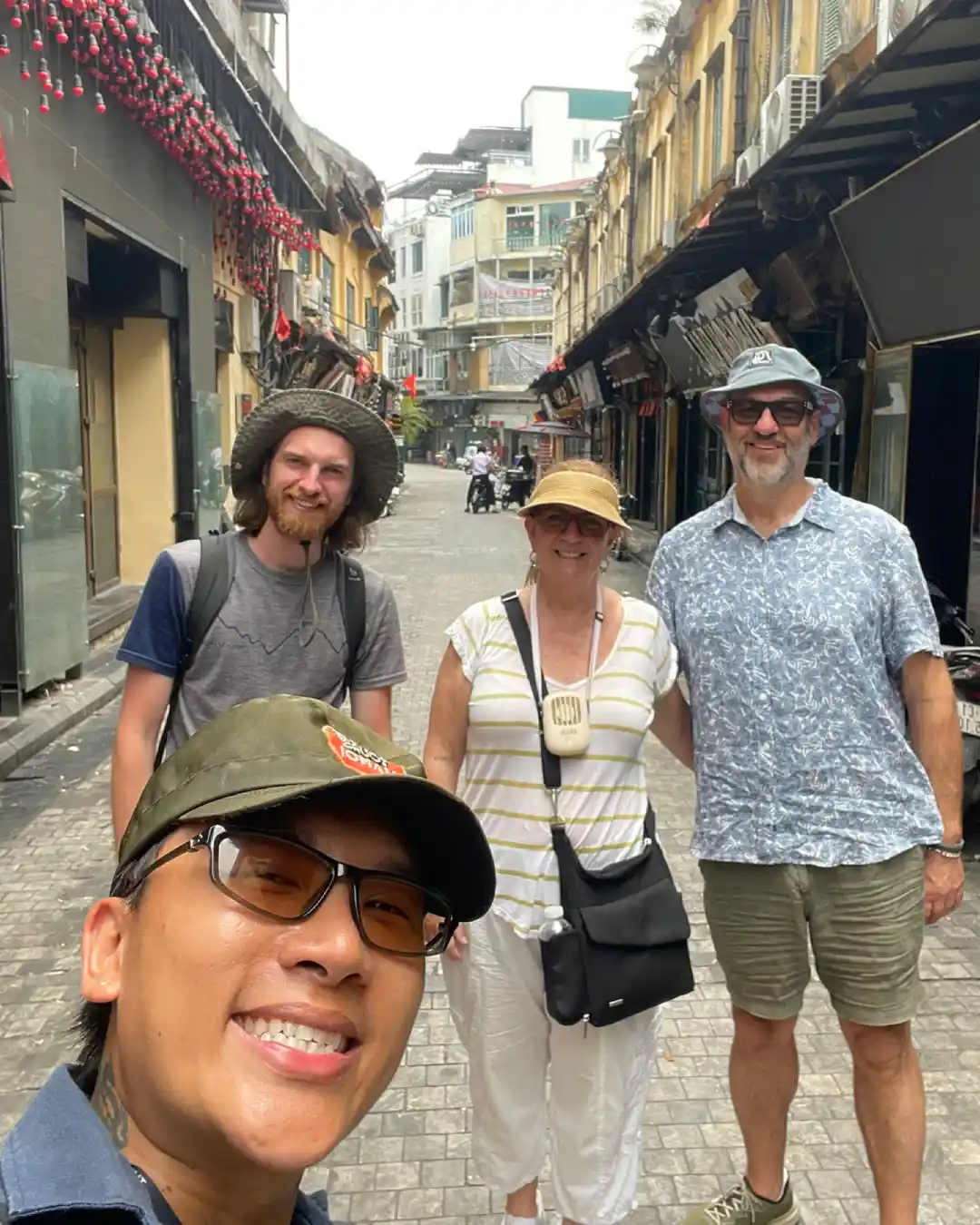
A photo journal from Hanoi — not a traveller review, and not proof that every detail in this guide happened on that walk.
Related content
Knowledge hub
Culture & History →Explore the history, traditions, religions and cultural influences that shaped Hanoi and Vietnam through the centuries.
Destination hub
Hanoi →Related stories
- Hanoi Railway Station: Architectural History and the Indochina Rail NetworkHow Ga Hà Nội evolved from an 1898 construction site to the hub of three colonial rail lines — an architectural timeline, not a ticketing guide.
- The History of Thang Long and Modern Hanoi: A Thousand Years of ChangeDiscover the history of Hanoi from the founding of Thang Long in 1010 to the modern capital of Vietnam, including dynasties, colonial heritage and cultural landmarks.
- French Colonial Heritage in Hanoi: Architecture, Food and Everyday LifeHow French Indochina shaped Hanoi's boulevards, baguettes and coffee culture — and where to see that legacy today without confusing history with a walking route.
- Hanoi Metro: A Practical Guide for VisitorsWhat urban rail exists today, how tickets work, where it connects, and what it does not reach.
- Hanoi Old Quarter Guide: Streets, Food & Walking LogicNavigate Hanoi's Old Quarter with local walking logic — guild streets, markets, food timing, night energy and how to pair the lake without turning the district into a checklist sprint.
- How to Take a Cyclo in HanoiWhat cyclos are for today, how to agree a route and price, when to decline, and how they fit beside Grab and walking.