Hanoi's Former City Gates and Historic Urban Boundaries
How cửa ô and citadel gates defined Thăng Long — a boundary narrative linking O Quan Chuong, the Imperial Citadel, and lost ramparts.
16 min readHanoi
Introduction — answer first
Travellers ask: "How many old gates does Hanoi still have?" Medieval and early modern Thăng Long used cửa ô (citadel gates) and wall segments to separate imperial, merchant, and riverside districts. Only fragments survive in brick and memory — the best-known standing gate is Ô Quan Chưởng on the eastern wall trace.
This page is the boundary system explainer. The gate entity article covers Ô Quan Chưởng architecture and etiquette in depth. Citadel archaeology and UNESCO context live on Thăng Long Imperial Citadel.
Reading the map today
Walking Old Quarter lanes, you cross invisible rampart lines where streets widen toward rivers. Flag Tower and citadel moat remnants anchor the west of the historic footprint — see Imperial Citadel and Hoa Phong Tower. Historic maps help align French-era plans with today's motor traffic.
HTM Heritage Old Quarter walking tour uses gate and wall storytelling where routes allow — not a guarantee of interior citadel access tickets.
Local tips
- →Read Hanoi's Former City Gates and Historic Urban Boundaries before you walk the related district — context changes what you notice in Hanoi.
- →Pair one museum or heritage stop with café time so Hanoi's Former City Gates and Historic Urban Boundaries does not become lecture fatigue.
- →Group Hanoi's Former City Gates and Historic Urban Boundaries with nearby sights in the same Hanoi district to cut cross-town Grab time.
- →Walk to Hanoi's Former City Gates and Historic Urban Boundaries early; Hanoi heat and scooter density rise after 09:30.
Good to know
- Hanoi's Former City Gates and Historic Urban Boundaries spans living culture, not only monuments — markets and meals are part of the evidence.
- Festival timing can reshape access to sites mentioned in Hanoi's Former City Gates and Historic Urban Boundaries.
- Near Hanoi's Former City Gates and Historic Urban Boundaries, Hanoi street vendors often need small cash even when hotels take cards.
- Tet and festival weeks change opening patterns for Hanoi's Former City Gates and Historic Urban Boundaries — verify that week’s hours.
Before you go
- Heritage Old Quarter tour may cite gates without interior citadel tickets.
Common mistakes
- ✕Skimming Hanoi's Former City Gates and Historic Urban Boundaries then expecting a single façade to “explain” Hanoi history.
- ✕Photographing worship or private moments without consent while exploring Hanoi's Former City Gates and Historic Urban Boundaries themes.
- ✕Cramming Hanoi's Former City Gates and Historic Urban Boundaries into a multi-district sprint that ignores Hanoi traffic reality.
- ✕Relying only on hotel concierge timing for Hanoi's Former City Gates and Historic Urban Boundaries without a backup route.
Practical information
- How to get there
- Old Quarter east and citadel west.
- Best time to visit
- Morning walking pace.
Frequently asked questions
- Is O Quan Chuong the only gate?
- It is the most famous surviving Old Quarter gate arch. Other wall traces and citadel gates are archaeological or rebuilt segments — see citadel guide.
- Same as Son Tay citadel gates?
- No. Son Tay is a nineteenth-century laterite fortress west of Hanoi — separate article.
- Can you walk the full old wall?
- No continuous intact rampart loop exists for tourists. Use gate landmarks and citadel sites instead.
From the road
Related real moment
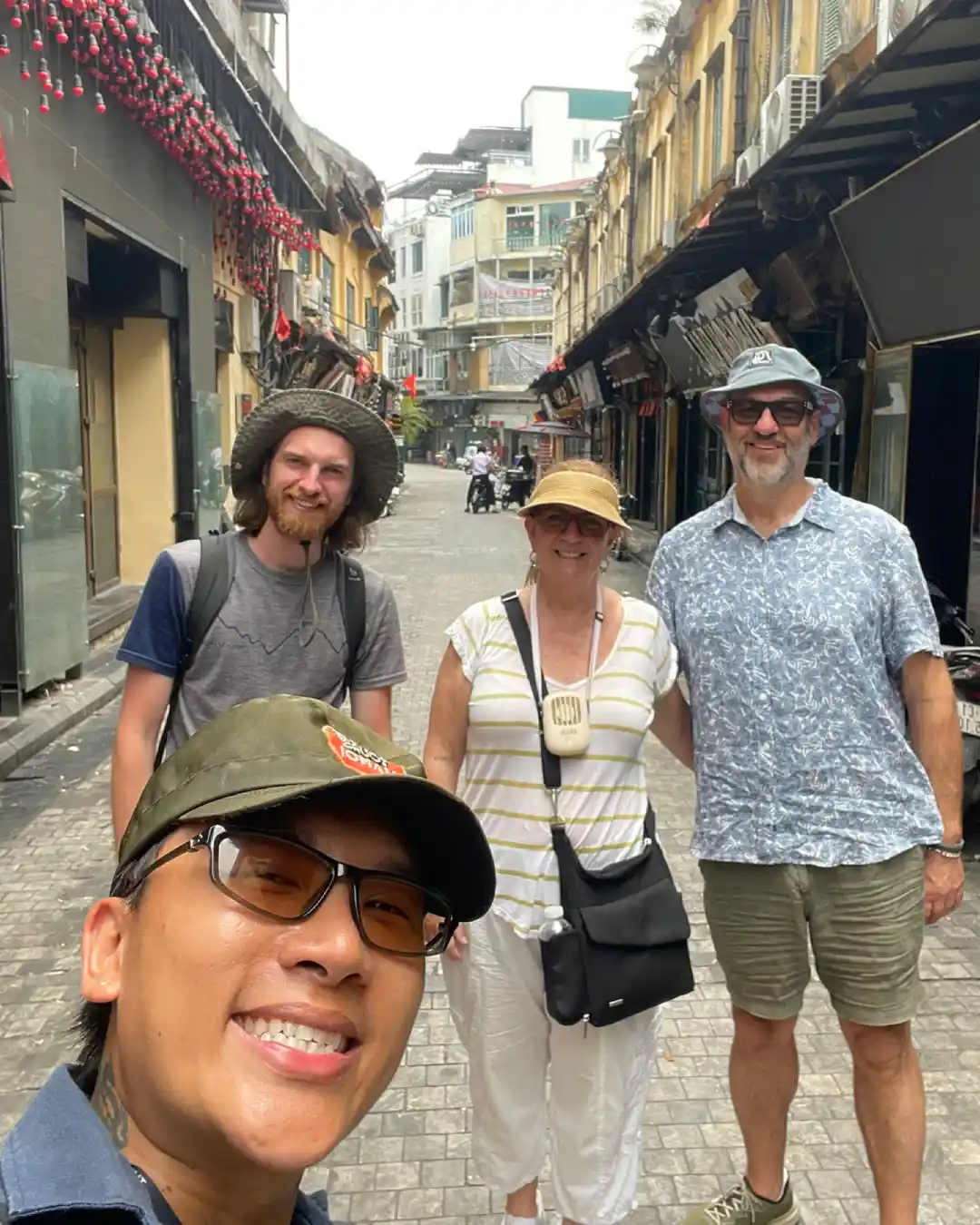
A photo journal from Hanoi — not a traveller review, and not proof that every detail in this guide happened on that walk.
Related content
Knowledge hub
Culture & History →Explore the history, traditions, religions and cultural influences that shaped Hanoi and Vietnam through the centuries.
Destination hub
Hanoi →Related stories
- The History of Thang Long and Modern Hanoi: A Thousand Years of ChangeDiscover the history of Hanoi from the founding of Thang Long in 1010 to the modern capital of Vietnam, including dynasties, colonial heritage and cultural landmarks.
- Historic Maps and the Changing Urban Geography of HanoiWhy cartography reveals lost lakes, walls, and canals — a reading guide linking archives to today's Grab routes.
- Hoa Phong Tower: The Last Remnant of Bao An PagodaWhat the three-tier brick tower beside Hoan Kiem Lake really is — a mid-nineteenth-century survivor, not a Ly-dynasty relic — and why it matters to Hanoi's urban story.
- O Quan Chuong Gate: Hanoi's Last Old Quarter GateSee O Quan Chuong — the last remaining gate of Hanoi's Old Quarter — with history context, traffic-aware photo tips and a northern loop linking Dong Xuan, Bach Ma and Long Bien.
- Thang Long Imperial Citadel Hanoi: UNESCO Visit GuidePlan a visit to Thang Long Imperial Citadel — UNESCO layers, on-site route, timing and how to pair it with Ba Dinh's mausoleum, One Pillar and Temple of Literature half-day.
- Hanoi Old Quarter Guide: Streets, Food & Walking LogicNavigate Hanoi's Old Quarter with local walking logic — guild streets, markets, food timing, night energy and how to pair the lake without turning the district into a checklist sprint.