Chang Son Village: Traditional Vietnamese Paper Fans
How Chàng Sơn artisans pair bamboo, rattan, and dó paper for painted fans — distinct from Chuong conical hats or Bat Trang ceramics.
15 min readChang Son, Thach That, Hanoi
Introduction — answer first
Chàng Sơn in Thạch Thất is among Hanoi's best-known quạt giấy (paper fan) workshops. Municipal culture pages describe bamboo spokes aged several years, rattan rims, dó or điệp paper (often sourced from Đông Hồ traditions), painted landscapes, and varnished finishes — plus larger silk fans for performances.
This page is the Chàng Sơn entity, not the craft villages hub survey nor Bat Trang pottery. Western corridor pairing may include Tây Phương Pagoda in day-trip planning only when drive time allows.
Technique and village economy
Culture department reporting notes stage-based production — households specialise in splitting bamboo, rim weaving, paper mounting, or painting rather than one artisan finishing every fan. That division is documented practice, not a promise that every visitor may enter every workshop.
National intangible heritage listings and municipal craft programmes may apply; this is not a UNESCO World Heritage or Representative List title unless separately cited on UNESCO inventories.
Visitor etiquette
Residential lanes stay active — ask before photographing courtyards. We publish no fixed opening hours, class schedules, or prices. The Bat Trang tour does not imply Chàng Sơn unless the operator confirms.
Local tips
- →Read Chang Son Village before you walk the related district — context changes what you notice in Hanoi.
- →Pair one museum or heritage stop with café time so Chang Son Village does not become lecture fatigue.
- →Group Chang Son Village with nearby sights in the same Hanoi district to cut cross-town Grab time.
- →Walk to Chang Son Village early; Hanoi heat and scooter density rise after 09:30.
Good to know
- West of Hanoi — road time from Hoàn Kiếm.
Before you go
- Before you go: note which sites in Chang Son Village need covered shoulders or silence.
- Carry a small notebook if you like linking museum labels back to Chang Son Village.
- Screenshot offline maps for the blocks around Chang Son Village before you enter dense Hanoi lanes.
Common mistakes
- ✕Skimming Chang Son Village then expecting a single façade to “explain” Hanoi history.
- ✕Photographing worship or private moments without consent while exploring Chang Son Village themes.
- ✕Cramming Chang Son Village into a multi-district sprint that ignores Hanoi traffic reality.
- ✕Relying only on hotel concierge timing for Chang Son Village without a backup route.
Practical information
- How to get there
- Thạch Thất district.
- Best time to visit
- Daylight lane visits.
Frequently asked questions
- Chang Son vs Chuong conical hat village?
- Chuong (Thanh Oai) specialises nón lá. Chàng Sơn specialises fans — separate entities and routes.
- UNESCO-listed?
- No UNESCO inscription specific to Chàng Sơn fans in UNESCO public lists used here. National intangible heritage may apply via Vietnam's domestic registers.
- DIY from Hanoi?
- Road transport required (~30 km west). Plan half-day minimum; no HTM walking tour includes the village.
From the road
Related real moment
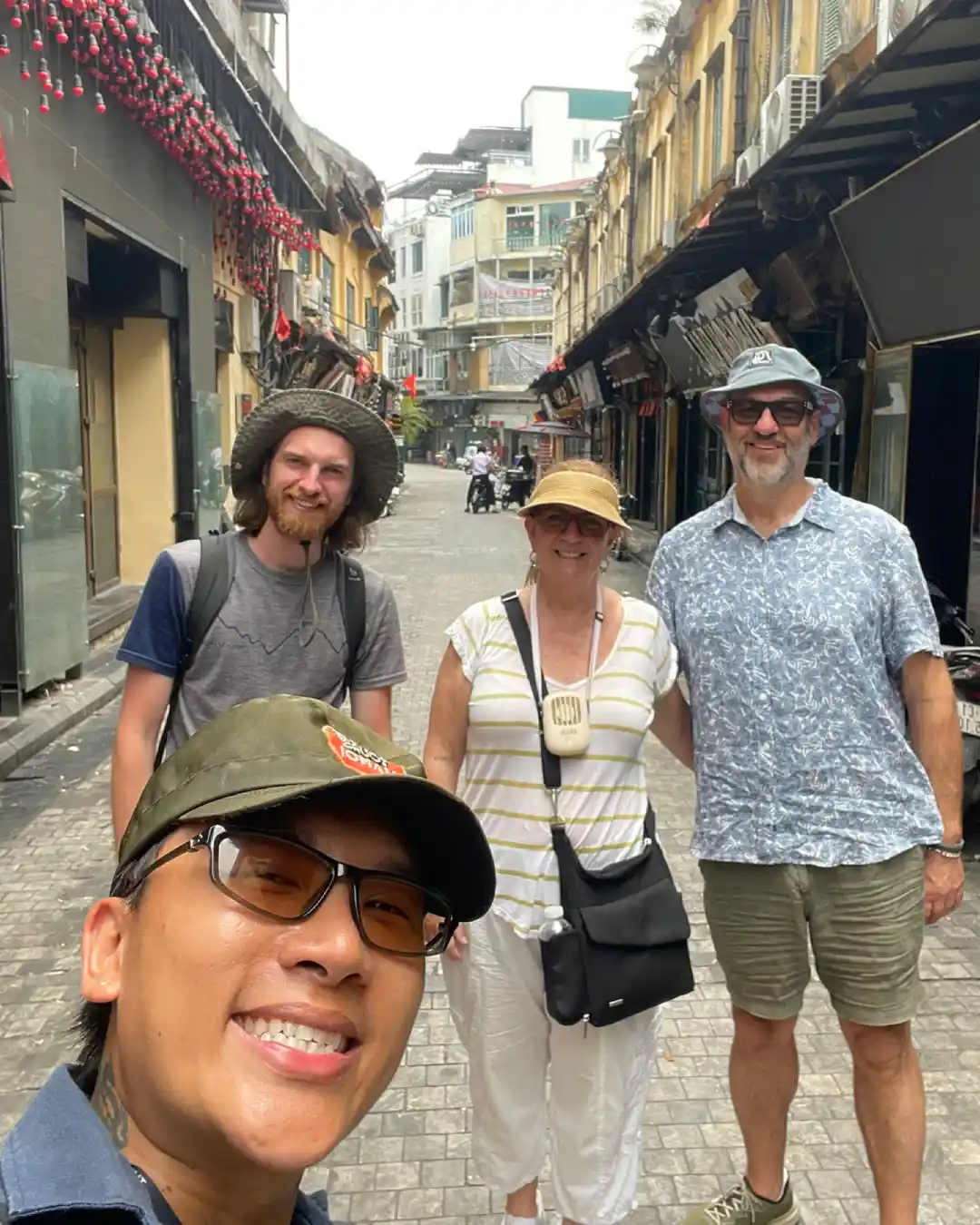
A photo journal from Hanoi — not a traveller review, and not proof that every detail in this guide happened on that walk.
Related content
Knowledge hub
Culture & History →Explore the history, traditions, religions and cultural influences that shaped Hanoi and Vietnam through the centuries.
Destination hub
Hanoi →Related stories
- Tay Phuong Pagoda: Hilltop Buddhist Art West of HanoiWhat makes Tây Phương one of Vietnam's most important Buddhist art repositories — 18th-century Arhat statues, Thạch Thất hilltop setting, and Special National Relic status.
- Traditional Craft Villages Around HanoiChoose the right craft village day from Hanoi — Bat Trang ceramics, Duong Lam ancient lanes and how to plan transfers, timing and buying without tourist-trap regret.
- Bat Trang Pottery Village: 700 Years of Ceramic HeritagePlan Bat Trang from Hanoi — ceramic heritage, workshop visits, buying without tourist-trap regret, timing and how it pairs with craft-village and day-trip planning.
- Day Trips from Hanoi: Complete Comparison GuideCompare every major day trip and overnight escape from Hanoi — Ninh Binh, Ha Long, Sapa, craft villages and more — with honest travel times, booking advice and tour picks.
- Vietnamese Etiquette for Travelers: Temples, Dining & PhotosTravel Vietnam with respectful habits — temple dress, dining manners, photography consent, tipping norms and how etiquette changes between Old Quarter streets and sacred sites.
- 10 Best Shopping Places in HanoiShop Hanoi with a ranked shortlist — Dong Xuan, night markets, book street, boutiques and craft stops — plus tourist-trap honesty and Old Quarter walking logic.