Everyday Life in Hanoi During the Subsidy Era
How central rationing (thời bao cấp) shaped queues, housing, and street food memory — social history, not a price list.
16 min readHanoi
Introduction — answer first
Thời bao cấp (subsidy period) refers to the decades when the state rationed goods through coupon books (phiếu) — shaping queues, black-market corners, and frugal recipes that older Hanoians still reference. Thăng Long historical summaries place this era after mid-century wars and before Đổi Mới market reforms.
This page is social history for travellers seeking context behind street food culture and cơm bình dân economics — not a claim that any single stall still sells at 1980s prices. Housing form factors appear in khu tập thể housing.
Urban traces
Collective housing blocks, narrow kitchens, and market bargaining at Đồng Xuân echo subsidy-era logistics even though payment today is cash and QR — see money guide. Museums may display ration coupons; we do not invent museum opening hours here.
Food tours on this site sell present-day tastings — guides may mention bao cap orally, but no tour promises historical re-enactment meals.
Local tips
- →Read Everyday Life in Hanoi During the Subsidy Era before you walk the related district — context changes what you notice in Hanoi.
- →Pair one museum or heritage stop with café time so Everyday Life in Hanoi During the Subsidy Era does not become lecture fatigue.
- →Group Everyday Life in Hanoi During the Subsidy Era with nearby sights in the same Hanoi district to cut cross-town Grab time.
- →Walk to Everyday Life in Hanoi During the Subsidy Era early; Hanoi heat and scooter density rise after 09:30.
Good to know
- Everyday Life in Hanoi During the Subsidy Era spans living culture, not only monuments — markets and meals are part of the evidence.
- Festival timing can reshape access to sites mentioned in Everyday Life in Hanoi During the Subsidy Era.
- Near Everyday Life in Hanoi During the Subsidy Era, Hanoi street vendors often need small cash even when hotels take cards.
- Tet and festival weeks change opening patterns for Everyday Life in Hanoi During the Subsidy Era — verify that week’s hours.
Before you go
- Before you go: note which sites in Everyday Life in Hanoi During the Subsidy Era need covered shoulders or silence.
- Carry a small notebook if you like linking museum labels back to Everyday Life in Hanoi During the Subsidy Era.
- Screenshot offline maps for the blocks around Everyday Life in Hanoi During the Subsidy Era before you enter dense Hanoi lanes.
Common mistakes
- ✕Skimming Everyday Life in Hanoi During the Subsidy Era then expecting a single façade to “explain” Hanoi history.
- ✕Photographing worship or private moments without consent while exploring Everyday Life in Hanoi During the Subsidy Era themes.
- ✕Cramming Everyday Life in Hanoi During the Subsidy Era into a multi-district sprint that ignores Hanoi traffic reality.
- ✕Relying only on hotel concierge timing for Everyday Life in Hanoi During the Subsidy Era without a backup route.
Practical information
- How to get there
- Markets and collective housing districts.
- Best time to visit
- Context reading before Dong Xuan visit.
Frequently asked questions
- When did the subsidy era end?
- Market reforms under Đổi Mới gradually replaced broad rationing in the 1980s–1990s. Exact household timing varied — treat dates as periodisation, not a single switch day nationwide.
- Can tourists buy phiếu coupons?
- No. Coupons are historical artefacts occasionally shown in museums or private collections.
- Is this about Soviet architecture?
- Partially overlaps khu tập thể collective housing article — read that page for built-form detail.
From the road
Related real moment
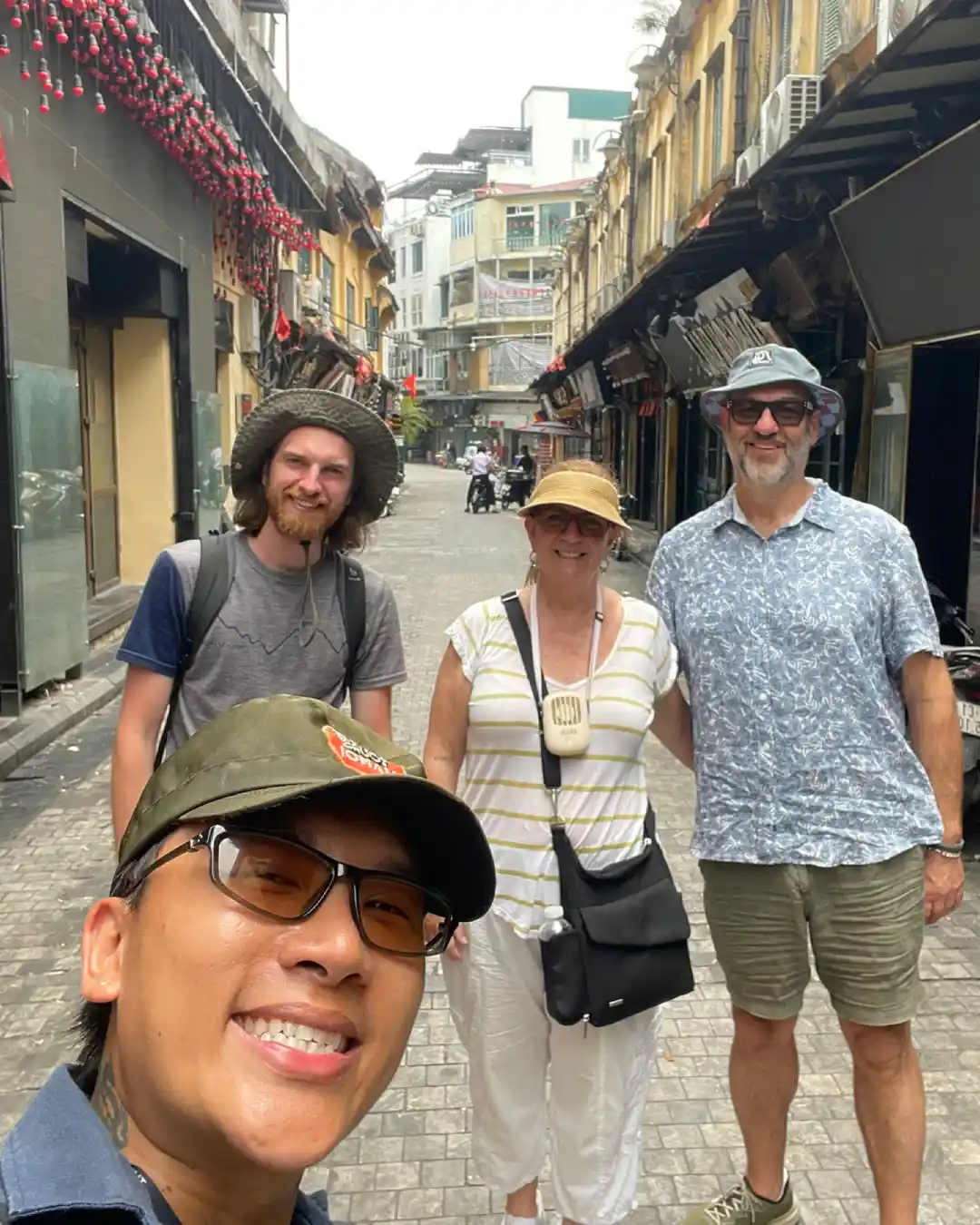
A photo journal from Hanoi — not a traveller review, and not proof that every detail in this guide happened on that walk.
Related content
Knowledge hub
Culture & History →Explore the history, traditions, religions and cultural influences that shaped Hanoi and Vietnam through the centuries.
Destination hub
Hanoi →Related stories
- Hanoi's Old Collective Housing: Understanding the Khu Tap TheWhat khu tập thể blocks are, how collective courtyards shaped daily life, and how to observe respectfully without treating homes as sets.
- The History of Thang Long and Modern Hanoi: A Thousand Years of ChangeDiscover the history of Hanoi from the founding of Thang Long in 1010 to the modern capital of Vietnam, including dynasties, colonial heritage and cultural landmarks.
- Hanoi Street Food Culture: Eating Like a LocalEat Hanoi with local timing and judgement — stall heuristics, meal windows, hygiene sense and funnels into pho, bun cha, banh mi and guided food walks.
- Com Binh Dan: How Hanoians Eat Everyday LunchWhat cơm bình dân is, how rice-and-side lunch counters work, what to expect at the tray, and how it differs from restaurant dining.
- Dong Xuan Market Guide: Hanoi's Historic Trading HubNavigate Dong Xuan Market like a local — wholesale floors, honest bargaining, nearby food, weekend night market and how to pair it with Long Bien and Old Quarter walks.
- Vietnam Money Guide: ATMs, Cash, Cards & PaymentsHandle money in Vietnam — ATMs, cash versus cards, tipping norms, street-food payments and how to avoid fee surprises in Hanoi and on northern trips.