Hoang Su Phi Photography Guide: Light, Lenses & Locations
Shoot Hoang Su Phi's terraces well — golden-hour locations, lens choices, drone rules and tripod etiquette for a working farm landscape.
By Paul10 min readHoang Su Phi, Ha Giang, Vietnam
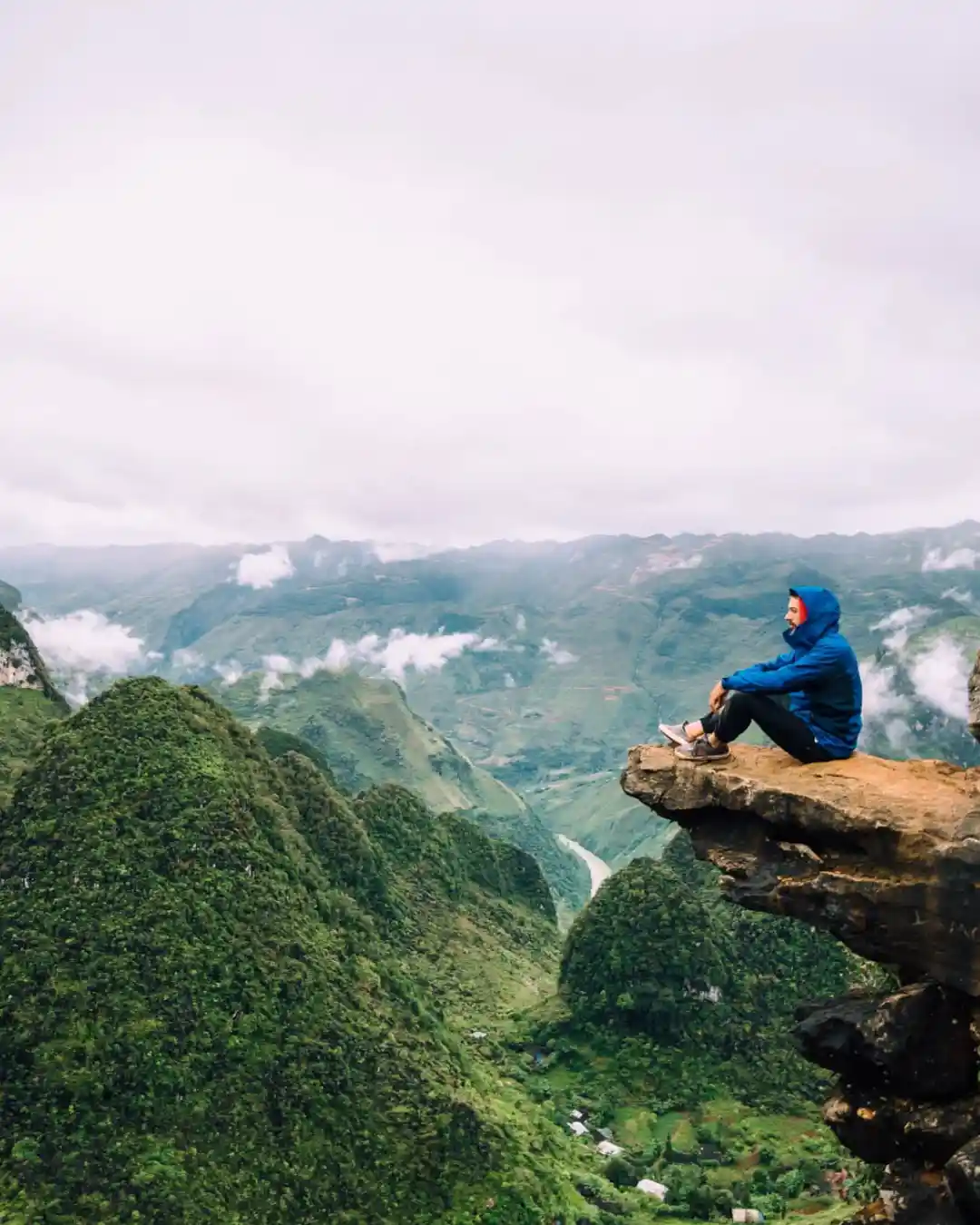
Introduction — answer first
Travellers ask: "How do I get good terrace photos in Hoang Su Phi?" Shoot Ban Luoc at sunrise or sunset for amphitheatre-scale wide shots, Ban Phung in morning side-light for steep terrace walls, and Nam Ty in late afternoon for ridge-path compression shots — then be patient with weather, since cloud on Hoang Su Phi's ridges lifts and settles within minutes.
Golden-hour locations
| Location | Best light | Lens suggestion |
|---|---|---|
| Ban Luoc amphitheatre | Sunrise + sunset | 16–35 mm wide |
| Ban Phung steep walls | Morning side-light | 24–70 mm |
| Nam Ty ridge paths | Late afternoon | 70–200 mm compression |
Midday sun creates harsh, flat light unsuitable for terrace panoramas — use that window instead for consented village portraits, where directional shadow matters less.
Weather and patience
Cloud on Hoang Su Phi's ridges can lift within minutes. Wait it out on the ridge in a rain shell rather than descending immediately — some of the best shots follow a storm clearance, particularly on September afternoons during harvest season.
Drone and tripod etiquette
- Assume drone flight is restricted near border communes and over villages — privacy and occasional military sensitivity apply. Verify current Civil Aviation rules before flying anywhere.
- Tripod legs obstruct farmers on narrow terrace walls — use a compact travel tripod, and only just off the main path.
- Never step into planted terraces for an angle — this damages working farmland and seedlings.
Full colour calendar
For month-by-month colour planning, see Hoang Su Phi best time to visit and the commune-level breakdown in Hoang Su Phi rice terraces guide — this page focuses on light and gear, not season selection.
Closing — light first, then location
Hoang Su Phi photography comes down to timing more than gear — golden hour at the right commune beats an expensive lens at noon. Pair this guide with the commune breakdown in Hoang Su Phi rice terraces guide to plan your shot list before you arrive.
Read next: Hoang Su Phi rice terraces guide · Hoang Su Phi trekking guide
FAQ — quick answers
Question: What is the best time of day to photograph Hoang Su Phi terraces?
Answer: 07:00–09:00 or 16:00–18:00 — golden-hour side-light carves terrace texture that midday sun flattens.
Question: Can I fly a drone in Hoang Su Phi?
Answer: Assume restricted near border communes and villages — verify current rules and never launch without permission.
Question: What lens works best for terrace shots?
Answer: 16–35 mm wide for amphitheatre-scale shots at Ban Luoc; 70–200 mm for ridge compression at Nam Ty.
Question: Is it okay to use a tripod on the terrace paths?
Answer: Only off the main path with a compact travel tripod — the walls are used daily by farmers.
Local tips
- →Eat the signature dish for Hoang Su Phi Photography Guide when the stall is busy with locals — turnover beats décor.
- →Hoang Su Phi Photography Guide: For northern Vietnam food crawls, start hungry but not starving; pace stops 20–30 minutes apart.
- →Group Hoang Su Phi Photography Guide with nearby sights in the same northern Vietnam district to cut cross-town Grab time.
- →Walk to Hoang Su Phi Photography Guide early; northern Vietnam heat and scooter density rise after 09:30.
Good to know
- Hoang Su Phi Photography Guide prices move; confirm at the counter before you sit if the board is unclear.
- Hoang Su Phi Photography Guide: Morning pho and lunch bun cha windows differ — northern Vietnam specialists often sell out.
- Near Hoang Su Phi Photography Guide, northern Vietnam street vendors often need small cash even when hotels take cards.
- Tet and festival weeks change opening patterns for Hoang Su Phi Photography Guide — verify that week’s hours.
Before you go
- Carry small VND notes for Hoang Su Phi Photography Guide; many excellent stalls remain cash-first.
- Hoang Su Phi Photography Guide: If travelling with allergies, learn key ingredient words before you order around northern Vietnam.
- Screenshot offline maps for the blocks around Hoang Su Phi Photography Guide before you enter dense northern Vietnam lanes.
Common mistakes
- ✕Shooting terraces at midday — flat, harsh light loses the layered texture that makes Hoang Su Phi distinctive.
- ✕Flying a drone over a village without asking — treat as restricted unless explicitly confirmed otherwise.
- ✕Setting a tripod mid-path — blocks farmers using the same terrace walls for actual work.
Practical information
- How to get there
- Hoang Su Phi Photography Guide sits in central northern Vietnam — walk, Grab, or a short taxi from Old Quarter / Hoan Kiem bases for most visits.
- Best time to visit
- Cooler walking months (roughly October–April) suit outdoor time around Hoang Su Phi Photography Guide; summer needs earlier starts.
Frequently asked questions
- What is the best time of day to photograph Hoang Su Phi terraces?
- 07:00–09:00 or 16:00–18:00 — golden-hour side-light carves terrace texture that midday sun flattens.
- Can I fly a drone in Hoang Su Phi?
- Assume restricted near border communes and villages — verify current rules and never launch without permission.
- What lens works best for terrace shots?
- 16–35 mm wide for amphitheatre-scale shots at Ban Luoc; 70–200 mm for ridge compression at Nam Ty.
- Is it okay to use a tripod on the terrace paths?
- Only off the main path with a compact travel tripod — the walls are used daily by farmers.
Related content
Destination hub
Hoang Su Phi →Related stories
- Hoang Su Phi Trekking Guide: Terraces Beyond the Ha Giang LoopTrek Hoang Su Phi rice terraces in Ha Giang province — quieter than the loop, season colours, homestay pacing and how it differs from Sapa or Dong Van days.
- Hoang Su Phi Rice Terraces Guide: Viewpoints & Photo SeasonsMap Hoang Su Phi's terrace communes — Ban Phung, Ban Luoc, Nam Ty viewpoints, harvest colour windows and how the landscape differs from Sapa and Pu Luong.
- Hoang Su Phi Best Time to Visit: Month-by-Month GuidePlan your Hoang Su Phi trip by month — harvest gold, mirror-water planting, temperature and rain risk across the trekking calendar.
- Hanoi Photography Spots Guide: Dawn to NeonPlan Hanoi photography by district — Hoan Kiem dawn, Long Bien, Train Street rules, West Lake, French Quarter and Old Quarter neon without landmark rewrites.